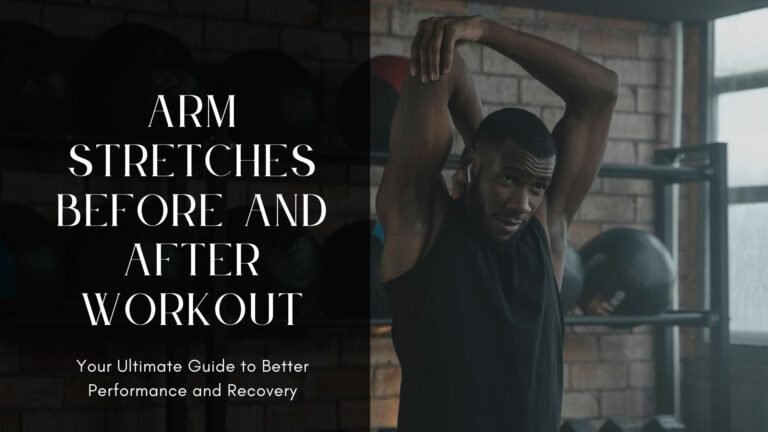
Quick Answer: The FlexologyGuide Stretch Library is the site’s central index for finding stretches and mobility routines by body part, goal, routine length, condition, sport, lifestyle, or equipment.
If you want to learn how stretching works, start with the main Stretching Guide.
If you already know what you want to stretch or what type of routine you need, use this library to move directly to the appropriate guide or individual stretch.
Choose Your Starting Point
| What You Need | Best Place to Start |
|---|---|
| Learn the fundamentals of stretching | Stretching Guide |
| Find a stretch for one body area | Browse by Body Region below |
| Follow a complete sequence | Stretch Routines below |
| Find guidance related to a symptom or condition | Condition & Symptom Guides below |
| Find sport- or lifestyle-specific stretching | Audience Guides below |
| Use equipment during mobility work | Stretching & Recovery Tools below |
| Get professional hands-on help | Assisted Stretching Guide |
| Find a professional stretch studio | Stretch Studios by City |
How to Use the Stretch Library
You do not need to work through this page from top to bottom.
Use it as an index.
If you know the part of your body you want to work on, start with Browse by Body Region.
If you would rather follow a complete sequence, go directly to Stretch Routines.
If your search begins with a health condition, pain pattern, pregnancy, nerve symptom or other medical concern, use the Condition & Symptom Guides as educational starting points and seek appropriate professional guidance when necessary.
If you want a routine generated around your available time and focus area, use the Stretch Routine Generator below.
Build a Stretch Routine
Use the FlexologyGuide Stretch Routine Generator to create a simple routine based on your goal, body area, experience level and available time.
FlexologyGuide.com
Stretch Routine Generator
Build a simple stretch routine based on your goal, focus area, experience level, and available time.
Your custom routine
Stretch Routine
Want this routine sent somewhere?
Email this routineImportant: This tool is educational and not medical advice. Stop if pain increases. For injury, numbness, tingling, sharp pain, or ongoing symptoms, speak with a qualified healthcare professional.
The generator is an educational mobility tool, not a diagnostic or medical-treatment tool. Stop an exercise if it causes sharp pain, increasing neurological symptoms or another concerning response.
Browse by Goal
| Goal | Starting Point |
|---|---|
| General full-body flexibility | Full Body Stretch Routine |
| Quick daily mobility | 10-Minute Daily Stretch |
| Lower-body flexibility | Lower Body Stretches |
| Upper-body flexibility | Upper Body Stretches |
| Spine and trunk mobility | Spine and Core Stretches |
| Before training | Pre-Workout Stretch Routine |
| After training | Post-Workout Stretch Routine |
| Workday movement breaks | Workplace Stretching Routine |
| Morning mobility | Morning Stretch Routine |
| Evening mobility | Evening Stretch Routine |
Lower Body Stretch Library
Start with the Lower Body Stretches hub if you want to compare stretches across the hips and legs.
Hamstring Guides and Stretches
- Hamstring Stretches
- Standing Hamstring Stretch
- Seated Hamstring Stretch
- Lying Hamstring Stretch
- Hamstring Wall Stretch
- Single Leg Hamstring Stretch
- Dynamic Hamstring Swing
Quad Guides and Stretches
- Quad Stretches
- Standing Quad Stretch
- Kneeling Quad Stretch
- Side Lying Quad Stretch
- Wall Quad Stretch
- Couch Stretch
Calf, Shin and Ankle Stretches
- Calf Stretches
- Shin Stretches
- Calf Wall Stretch
- Soleus Stretch
- Seated Calf Stretch
- Downward Dog Calf Stretch
- Standing Shin Stretch
- Kneeling Shin Stretch
- Achilles Heel Drop Stretch
Glute, Hip and Adductor Stretches
- Glute Stretches
- Hip Flexor Stretches
- Hip Rotation Exercises
- IT Band Stretches
- IT Band Standing Stretch
- IT Band Side Lean Stretch
- Figure Four Stretch
- Lying Figure Four Stretch
- Piriformis Stretch
- Seated Piriformis Stretch
- Glute Cross Body Stretch
- Kneeling Glute Stretch
- Butterfly Stretch
- Frog Stretch
- Wide Leg Forward Fold
- Adductor Side Lunge Stretch
- Psoas Stretch
- Kneeling Hip Flexor Stretch
- Low Lunge Hip Flexor Stretch
- Hip Flexor Wall Stretch
- Standing Hip Abduction Stretch
- Hip Circles Mobility
- 90-90 Hip Rotation
- Internal Hip Rotation Stretch
- External Hip Rotation Stretch
Spine and Core Stretch Library
Start with Spine and Core Stretches if you want to compare movements involving spinal flexion, extension, rotation and lateral movement.
Back, Spine and Trunk Guides
Individual Spine and Core Movements
- Cat-Cow Stretch
- Child’s Pose
- Supine Spinal Twist
- Seated Spinal Twist
- Knees to Chest Stretch
- Pelvic Tilt Stretch
- Cobra Stretch
- Sphinx Pose
- Thoracic Extension Over Chair
- Thoracic Rotation Stretch
- Side Bend Standing Stretch
- Side Bend Seated Stretch
- Thread the Needle Stretch
- Standing Back Extension
- Lumbar Rotation Stretch
- Quadratus Lumborum Stretch
- Prone Press Up Stretch
- Abdominal Stretch Standing
- Oblique Side Reach Stretch
- Seated Oblique Twist
Upper Body Stretch Library
Start with Upper Body Stretches to browse neck, shoulder, chest, upper-back, arm, wrist and forearm movements.
Upper Body Guides
Individual Upper Body Stretches
- Neck Side Bend Stretch
- Neck Rotation Stretch
- Chin Tuck Stretch
- Upper Trap Stretch
- Levator Scapulae Stretch
- Doorway Chest Stretch
- Corner Chest Stretch
- Cross Body Shoulder Stretch
- Overhead Tricep Stretch
- Wall Lat Stretch
- Child’s Pose Lat Variation
- Eagle Arms Stretch
- Scapular Retraction Stretch
- Arm Across Chest Stretch
- Bicep Wall Stretch
- Wrist Flexor Stretch
- Wrist Extensor Stretch
- Forearm Prayer Stretch
- Shoulder Internal Rotation Stretch
- Shoulder External Rotation Stretch
Condition and Symptom-Related Stretching Guides
These guides organize stretching information around health conditions, pain patterns or specific concerns.
They are educational resources, not diagnoses or individualized treatment plans.
Stretching is not appropriate for every condition or every stage of an injury. Pain, numbness, weakness, loss of coordination, recent trauma, significant swelling or worsening neurological symptoms should be evaluated appropriately rather than managed solely with an online stretching routine.
Spine, Nerve and Joint-Related Guides
- Sciatica Stretches
- Herniated Disc Stretches
- Pinched Nerve Stretches
- SI Joint Stretches
- Scoliosis Stretching
- Runner’s Knee Stretches
- Tendonitis Stretches
Head, Pelvic and Other Specialized Guides
- Tension Headache Stretches
- Pelvic Floor Stretches
- Hormonal Lower Back Pain
- Stretching for Anxiety
- Stretching for Stress Relief
- Stretching for Posture
- Stretching for Tight Hips
Stretch Routines
Use a routine when you want a sequence rather than a single movement.
Routines by Time
Routines by Time of Day or Activity
- Morning Stretch Routine
- Evening Stretch Routine
- Pre-Workout Stretch Routine
- Post-Workout Stretch Routine
- Workplace Stretching Routine
Broader Mobility Routines
Stretching by Sport, Job and Lifestyle
These guides organize mobility work around the movement demands of a sport, occupation or life stage.
Sports and Training
- Stretches for Runners
- Stretches for Golfers
- Stretches for Soccer Players
- Stretches for Jiu-Jitsu
- Stretches for Skiers
- Stretches for Snowboarders
- Stretches for Weightlifters
- Stretches for CrossFit Athletes
- Stretches for Teen Athletes
Work and Daily Life
- Stretches for Desk Workers
- Stretches for Remote Workers
- Stretches for Manual Labor Workers
- Stretches for Beginners
- Stretches for Men Over 40
Pregnancy and Cycle-Related Guides
Pregnancy changes joint mobility, balance and exercise considerations. People with pregnancy-related medical or obstetric complications should obtain individualized guidance before beginning or modifying an exercise program.
Stretching and Mobility Tools
Some equipment directly assists stretching. Other products are better understood as recovery tools that may complement a mobility routine.
Direct Stretching Aids
- Stretching Tools
- Stretch Straps Guide
- Resistance Bands for Stretching
- Yoga Blocks for Stretching
- Slant Board Guide
Adjacent Recovery and Self-Massage Tools
These tools use different mechanisms and should not all be treated as interchangeable forms of stretching.
Assisted Stretching vs. Self-Stretching
Self-stretching allows you to control your own position, intensity, timing and frequency.
Assisted stretching involves another person helping position or move your body through a stretch.
| Consideration | Self-Stretching | Assisted Stretching |
|---|---|---|
| Cost | Usually free | Paid service |
| Schedule | Fully self-directed | Requires appointment |
| External Positioning | Limited | Practitioner can assist |
| Feedback | Self-monitored | Immediate practitioner feedback |
| Accountability | Self-directed | Scheduled |
| ROM Improvement | Can occur with regular training | Can occur with regular training |
| Medical Treatment | No | Usually no, unless provided within an appropriately licensed clinical setting |
Research supports regular stretch training for improving range of motion.
It does not establish that commercial assisted stretching is universally superior to properly performed self-stretching.
The practical reasons to consider professional stretching include guidance, positioning, accountability and hands-on assistance.
Learn more in the Assisted Stretching Guide.
If you want to compare local providers, use the Stretch Studio Directory.
Stretch Library FAQ
What is a stretch library?
A stretch library is an organized index of individual stretches, body-region guides and complete routines that makes it easier to find mobility exercises for a specific purpose.
Where should a beginner start?
Start with Stretches for Beginners or a short routine such as the 5-Minute Stretch Routine.
Should I choose a body-region guide or an individual stretch?
Use a body-region guide when you want to compare several options.
Use an individual stretch page when you already know the exact movement you want to perform.
Should I use a routine instead of individual stretches?
A routine is useful when you want a pre-built sequence. Individual stretch pages are more useful when you want to work on one specific movement.
How often should I stretch?
The appropriate frequency depends on the stretching method, duration, intensity, body region and individual goal. Consistent stretch training can increase range of motion over time, but there is no single schedule that is optimal for every person.
Should stretching hurt?
No. Stretching may create tension or discomfort, but sharp pain should not be treated as a sign that the stretch is working.
Can stretching improve flexibility?
Yes. Research consistently shows that repeated stretch training can increase joint range of motion.
Is stretching the only way to improve mobility?
No. Strength training performed through appropriate ranges of motion can also improve ROM. A complete mobility program may therefore include both flexibility and strength work.
Can I use these stretches if I have an injury or medical condition?
That depends on the condition and the movement.
Online stretching guidance should not replace individualized medical evaluation when you have an acute injury, substantial pain, neurological symptoms, recent surgery or another significant medical concern.
Are the condition guides medical treatment?
No. They are educational resources intended to organize relevant mobility information.
Can pregnant people use this library?
Many forms of physical activity, including stretching, can be appropriate during an uncomplicated pregnancy. Pregnancy changes balance, joint mobility and exercise considerations, however, so individual circumstances and obstetric guidance should be taken into account.
Do I need stretching equipment?
No. Many stretches require no equipment.
Straps, bands, blocks and other tools can sometimes make positioning easier or provide additional options.
Is assisted stretching better than self-stretching?
Not universally. Both can be used to train range of motion. Assisted stretching adds professional positioning, feedback and accountability but also costs more and requires an appointment.
Continue Exploring FlexologyGuide
For education about stretching science, techniques and programming, continue to the Stretching Guide.
For mobility and stretching equipment, visit Stretching Tools.
For professional hands-on stretching, visit the Assisted Stretching Guide.
For local assisted-stretching providers, use the National Stretch Studio Directory.
Medical Disclaimer
This Stretch Library is intended for educational purposes only and is not medical advice.
Stretching should not be used as a substitute for diagnosis, physical therapy, rehabilitation or medical treatment when those services are appropriate.
Stop a stretch and seek appropriate professional guidance if you experience severe or worsening pain, numbness, weakness, loss of coordination, significant swelling or other concerning symptoms.
People who are pregnant, recently injured, recovering from surgery or managing a significant medical condition should consider individualized guidance before beginning or substantially changing an exercise or stretching program.