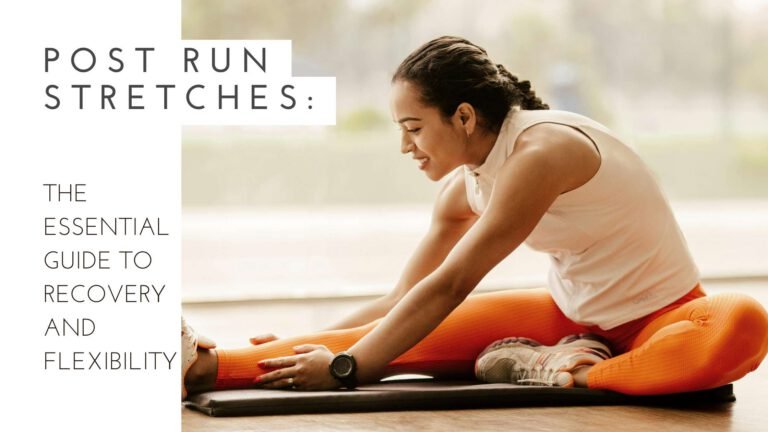
Upper body stretches can help improve flexibility and comfortable movement through the neck, shoulders, upper back, chest, arms, forearms, and wrists.
A good upper-body routine should do more than stretch whatever feels tight.
The neck, shoulder complex, thoracic spine, chest, arms, and wrists all perform different movements. A useful routine therefore depends on what area feels restricted and what movement you are trying to improve.
This guide will help you choose upper-body stretches by region, understand the difference between stretching and mobility work, and build a practical routine.
What Are Upper Body Stretches?
Upper body stretches are movements designed to take muscles and joints of the upper body through comfortable ranges of motion.
They may target:
- Neck
- Shoulders
- Upper back
- Chest
- Lats
- Triceps
- Forearms
- Wrists
Some stretches are static, meaning you hold a position.
Others are dynamic, meaning you move through a controlled range.
Both can be useful, but they serve different purposes.
What Are the Benefits of Upper Body Stretching?
The clearest benefit of stretching is improved flexibility and range of motion.
Regular stretching can make it easier to access positions that previously felt restricted.
Depending on the area being stretched, this may support movements such as:
- Looking over your shoulder
- Reaching overhead
- Reaching behind your back
- Rotating your upper body
- Opening the arms away from the chest
- Extending the wrist
- Flexing the wrist
- Reaching across the body
Stretching can also provide a comfortable movement break after spending long periods in one position.
It should not, however, be treated as a universal solution for posture, pain, injury prevention, or performance.
Why Does the Upper Body Feel Tight?
People often describe the neck, shoulders, chest, and upper back as “tight.”
That sensation can have many causes.
Possible contributors include:
- Spending long periods in one position
- Repetitive work
- Typing or computer use
- Repetitive lifting
- Sports
- Strength training
- Fatigue
- Stress
- Limited movement variety
- Reduced tolerance to certain ranges
Feeling tight does not necessarily mean a muscle has permanently shortened.
Sometimes the most useful response is simply to move more frequently and change positions.
Which Upper Body Area Should You Stretch?
Start by identifying where you feel restricted.
| If you feel restriction around… | Start with… |
|---|---|
| Side of neck | Neck side-bend stretch |
| Turning the head | Neck rotation |
| Upper shoulders | Upper trap stretch |
| Back of shoulder | Arm-across-chest stretch |
| Upper back | Eagle arms or thoracic mobility |
| Front of chest | Doorway chest stretch |
| Lats / side of torso | Wall lat stretch |
| Back of upper arm | Overhead triceps stretch |
| Forearm / wrist | Wrist flexor or extensor stretch |
You do not need to stretch every region equally.
Choose the areas that match your actual mobility goals.
Neck Stretches
The neck moves through flexion, extension, rotation, and side bending.
Neck stretches should generally be gentle because the cervical spine contains sensitive joints, nerves, and vascular structures.
Useful options include:
Neck Side Bend
This movement can create tension through muscles on the side of the neck and upper shoulder.
Avoid aggressively pulling the head downward with your hand.
The weight of your head is often enough.
Neck Rotation
Turning the head slowly from side to side works on rotational range.
Keep the movement smooth and avoid forcing the chin farther than is comfortable.
Chin Tuck
A chin tuck is better thought of as a controlled cervical-positioning exercise than a traditional stretch.
Draw the chin gently backward without looking down.
Shoulder and Upper-Back Stretches
The shoulder is highly mobile and depends on coordinated movement between the arm, shoulder blade, clavicle, and thoracic region.
Useful stretches include:
Arm Across Chest
This stretch places the shoulder into horizontal adduction and is commonly felt along the back or outside of the shoulder.
Keep the shoulder relaxed rather than shrugging toward the ear.
Eagle Arms
Eagle Arms can create a stretch across the upper back and posterior shoulder.
You do not need to fully wrap the hands together.
Use whatever arm position allows you to maintain a comfortable shoulder position.
Wall Lat Stretch
A wall-supported lat stretch can target the lats and nearby tissues involved in overhead shoulder movement.
Avoid forcing the chest excessively toward the floor if the shoulders feel pinched.
Chest Stretches
The pectoral muscles contribute to movements of the shoulder and arm.
People who spend significant time typing, driving, lifting, or working with the arms in front of the body often use chest stretches as a movement break.
Options include:
Doorway Chest Stretch
Place the forearm against a doorway and gently rotate your torso away.
Adjusting arm height changes the angle of the stretch.
Do not force the shoulder far behind the body.
Corner Chest Stretch
The corner variation allows both arms to be supported at the same time.
Move the torso forward gradually rather than pushing aggressively into the shoulders.
Arm and Triceps Stretches
The triceps cross the elbow, and the long head also crosses the shoulder.
An overhead stretch can therefore create tension through the back of the upper arm.
To perform it:
- Raise one arm overhead.
- Bend the elbow.
- Allow the hand to move down behind the upper back.
- Use the opposite hand only for gentle assistance.
- Stop before you feel shoulder or elbow pain.
Forearm and Wrist Stretches
Forearm muscles control the wrist, fingers, and grip.
People who type, use tools, climb, lift weights, play racket sports, or perform repetitive hand movements may appreciate forearm mobility work.
Useful options include:
Wrist Flexor Stretch
Extend the arm and gently bring the wrist and fingers backward.
You may feel tension along the underside of the forearm.
Wrist Extensor Stretch
Move the wrist in the opposite direction to create tension through the top of the forearm.
Use very little force.
Small wrist joints generally do not require aggressive stretching.
Upper-Back Mobility vs. Stretching
Many people describe the upper back as tight, but not every upper-back restriction requires a static muscle stretch.
The thoracic spine also needs controlled movement.
Useful movements can include:
- Thoracic rotation
- Gentle extension
- Shoulder-blade movement
- Reaching
- Arm circles
This is where mobility becomes important.
Flexibility describes available range of motion.
Mobility generally refers to your ability to actively control movement through that range.
A good upper-body program can use both.
Static vs. Dynamic Upper Body Stretching
Static Stretching
Static stretching means moving into a position and holding it.
Examples include:
- Doorway chest stretch
- Upper trap stretch
- Triceps stretch
- Wrist stretch
Static stretching is particularly useful when flexibility is the primary goal.
Dynamic Stretching
Dynamic stretching involves repeated controlled movement.
Examples include:
- Arm circles
- Shoulder rolls
- Thoracic rotations
- Controlled neck rotations
Dynamic movement is generally better suited to preparing for exercise because it increases movement without requiring prolonged end-range holds.
Should You Stretch Before Exercise?
You can, but the type and duration matter.
For most workouts, a useful warm-up sequence is:
- General movement
- Dynamic upper-body mobility
- Activity-specific movement
- Short targeted stretches if needed
Long static stretches immediately before maximal strength, power, or explosive work are generally unnecessary.
Research suggests shorter static stretches have relatively little effect on subsequent performance, while longer holds can cause small temporary reductions in force or power.
What About After Exercise?
Static stretching can fit well after exercise when flexibility rather than immediate performance is the goal.
It can also be done during a completely separate flexibility session.
There is no requirement that stretching must happen immediately after a workout to be useful.
How Long Should You Hold Upper Body Stretches?
There is no single mandatory duration.
For a general routine, approximately 20–30 seconds is a practical starting point.
You can repeat a stretch if desired.
Large-scale evidence supports static stretching for improving flexibility, and meaningful improvements can occur across a range of stretching durations and training schedules.
Do not assume a stretch becomes better simply because you hold it longer.
How Intense Should a Stretch Feel?
Aim for a noticeable but tolerable stretch.
You generally do not need:
- Sharp pain
- Joint pain
- Numbness
- Tingling
- Burning
- Electric sensations
- Pain traveling down the arm
Those sensations are reasons to stop or adjust the movement.
Can Upper Body Stretching Improve Posture?
Stretching alone should not be marketed as a posture correction.
A systematic review and meta-analysis found that acute and chronic stretching did not significantly change spinal or lumbopelvic posture overall.
Posture is influenced by many factors, including:
- Strength
- Habit
- Anatomy
- Work setup
- Fatigue
- Movement variability
- Joint mobility
Stretching may help improve range of motion, but that is different from automatically “fixing” posture.
Can Stretching Prevent Upper Body Injuries?
Stretching should not be treated as a stand-alone injury-prevention strategy.
Systematic reviews have not found consistent evidence that routine stretching by itself reduces overall injury rates.
Injury risk depends on many factors, including:
- Training load
- Strength
- Conditioning
- Previous injury
- Technique
- Fatigue
- Recovery
- Activity demands
Stretching can still be useful for flexibility, but that is a different outcome.
A 5-Minute Upper Body Stretch Routine
For a short routine, choose one movement from each major region.
1. Neck Side Bend
20–30 seconds per side
2. Arm Across Chest
20–30 seconds per side
3. Doorway Chest Stretch
20–30 seconds per side
4. Wall Lat Stretch
20–30 seconds per side
5. Wrist Flexor Stretch
20–30 seconds per side
This gives you a simple neck-to-wrist sequence.
A More Complete 10-Minute Upper Body Routine
For a broader session:
- Neck rotations — several controlled repetitions
- Neck side bend — 20–30 seconds per side
- Eagle Arms — 20–30 seconds
- Arm Across Chest — 20–30 seconds per side
- Doorway Chest Stretch — 20–30 seconds per side
- Wall Lat Stretch — 20–30 seconds
- Overhead Triceps Stretch — 20–30 seconds per side
- Wrist Flexor Stretch — 20–30 seconds per side
- Wrist Extensor Stretch — 20–30 seconds per side
- Gentle shoulder circles — several repetitions
You do not need to use this exact order.
The goal is to cover several movement regions rather than repeatedly stretching one spot.
Upper Body Stretching for Desk Workers
If you spend long periods at a computer, the first priority is not necessarily deeper stretching.
Start by changing position.
Try:
- Stand up.
- Walk briefly.
- Move the shoulders through several circles.
- Rotate the upper back.
- Perform a chest or shoulder stretch.
- Move the wrists and fingers.
Frequent movement breaks may be more practical than waiting until the end of the day and performing one long stretching session.
Upper Body Stretching for Lifters
Strength training places the shoulders, elbows, wrists, and upper back through repeated loads.
Useful mobility areas can include:
- Overhead shoulder range
- Lat flexibility
- Chest flexibility
- Triceps
- Wrist extension
- Thoracic rotation
Stretching should complement strength training rather than replace it.
Before lifting, prioritize dynamic preparation.
Use longer static stretches separately or after training if flexibility is a specific goal.
Upper Body Stretching for Beginners
Start with stable, simple positions.
Good options include:
- Neck side bend
- Arm Across Chest
- Doorway Chest Stretch
- Wall Lat Stretch
- Overhead Triceps Stretch
- Wrist Flexor Stretch
Avoid forcing the shoulders, neck, or wrists into extreme positions.
Range can improve gradually.
Common Upper Body Stretching Mistakes
Stretching Too Aggressively
More force is not automatically better.
Better approach: Use moderate tension and increase range gradually.
Pulling Hard on the Neck
The neck does not need aggressive manual pressure.
Better approach: Let gravity provide most of the load.
Shrugging the Shoulders
This can change the intended position.
Better approach: Keep the shoulders relaxed when possible.
Holding Your Breath
Breath-holding often increases unnecessary tension.
Better approach: Breathe normally.
Treating Joint Pain Like a Muscle Stretch
A stretch should generally feel muscular.
Better approach: Stop or modify the position if you feel pinching or sharp joint discomfort.
Stretching Only the Area That Feels Tight
The sensation of tightness does not always identify the actual movement limitation.
Better approach: Look at the broader movement pattern.
How to Build Your Own Upper Body Routine
A practical upper-body routine can include one movement from each relevant category.
| Area | Example |
|---|---|
| Neck | Neck side bend |
| Shoulder | Arm Across Chest |
| Upper back | Eagle Arms |
| Chest | Doorway Chest Stretch |
| Lats | Wall Lat Stretch |
| Triceps | Overhead Triceps Stretch |
| Wrist | Wrist flexor stretch |
If you already have good range in one area, you do not need to spend equal time there.
Prioritize your actual goals.
Assisted Stretching vs. Self Stretching
Most upper-body stretches can be performed independently.
Self-stretching allows you to control:
- Range
- Intensity
- Duration
- Frequency
Assisted stretching involves another person helping position or move your body through controlled ranges.
A practitioner may provide:
- External stabilization
- Positioning guidance
- Help controlling intensity
- Assistance with movements that are difficult to perform alone
That does not mean assisted stretching automatically improves mobility faster or more safely than self-stretching.
The main practical difference is professional guidance and hands-on assistance.
Learn more in What Is Assisted Stretching?.
To compare providers, use the Stretch Studio Directory.
When Should You Avoid or Modify Upper Body Stretching?
Stop or modify an exercise if it causes:
- Sharp pain
- Joint pain
- Numbness
- Tingling
- Weakness
- Burning
- Dizziness
- Pain traveling into the arm or hand
Extra caution may be appropriate with:
- Recent surgery
- Acute muscle or tendon injury
- Joint dislocation history
- Significant instability
- Fracture
- Neurological symptoms
Persistent pain or neurological symptoms warrant appropriate medical evaluation rather than repeated stretching.
Upper Body Stretches FAQ
What are the best upper body stretches?
There is no single best list for everyone. A balanced routine often includes movements for the neck, shoulders, upper back, chest, lats, triceps, and wrists.
How often should I stretch my upper body?
Regular practice can improve flexibility, but there is no universal requirement to stretch every day. Choose a frequency that supports your mobility goals.
How long should upper body stretches be held?
Around 20–30 seconds is a practical starting point for static stretches. Different programs may use shorter or longer durations.
Should upper body stretching hurt?
No. Mild-to-moderate muscular tension is expected. Sharp, electrical, or joint pain is not.
Can stretching improve posture?
Stretching can improve flexibility, but stretching alone has not been shown to reliably correct posture.
Can stretching prevent shoulder or neck injuries?
Stretching alone should not be considered an injury-prevention program. Strength, workload, technique, conditioning, and previous injury also matter.
Should I stretch before lifting weights?
Dynamic mobility is usually the better foundation for a warm-up. Short targeted static stretches can be added when needed.
Why do my shoulders feel tight after sitting?
Long periods in one position can contribute to stiffness or a sensation of tension. Movement variety, walking, shoulder motion, and stretching may all help.
Is mobility the same as flexibility?
No. Flexibility refers primarily to available range of motion. Mobility generally includes your ability to actively control movement through that range.
Is assisted stretching better than stretching alone?
Not automatically. Assisted stretching offers hands-on guidance and positioning, while self-stretching provides direct control and convenience.
Explore the Upper Body Stretch Library
This page is the starting point for deciding which area of the upper body you want to work on.
For individual stretches across the entire body, visit the Stretch Library.
For deeper education on stretching methods, flexibility, mobility, timing, and programming, visit the Stretching Hub.
Conclusion
A useful upper-body stretching routine should match your movement goals rather than simply stretch everything as deeply as possible.
Cover the neck, shoulders, upper back, chest, arms, and wrists where needed. Use controlled positions, avoid forcing painful range, and distinguish flexibility work from warm-up mobility.
For most people, a simple routine containing a neck movement, shoulder stretch, chest stretch, lat or upper-back movement, and wrist stretch provides a practical foundation.
From there, use the individual FlexologyGuide stretch pages to build a routine around the areas that matter most to you.