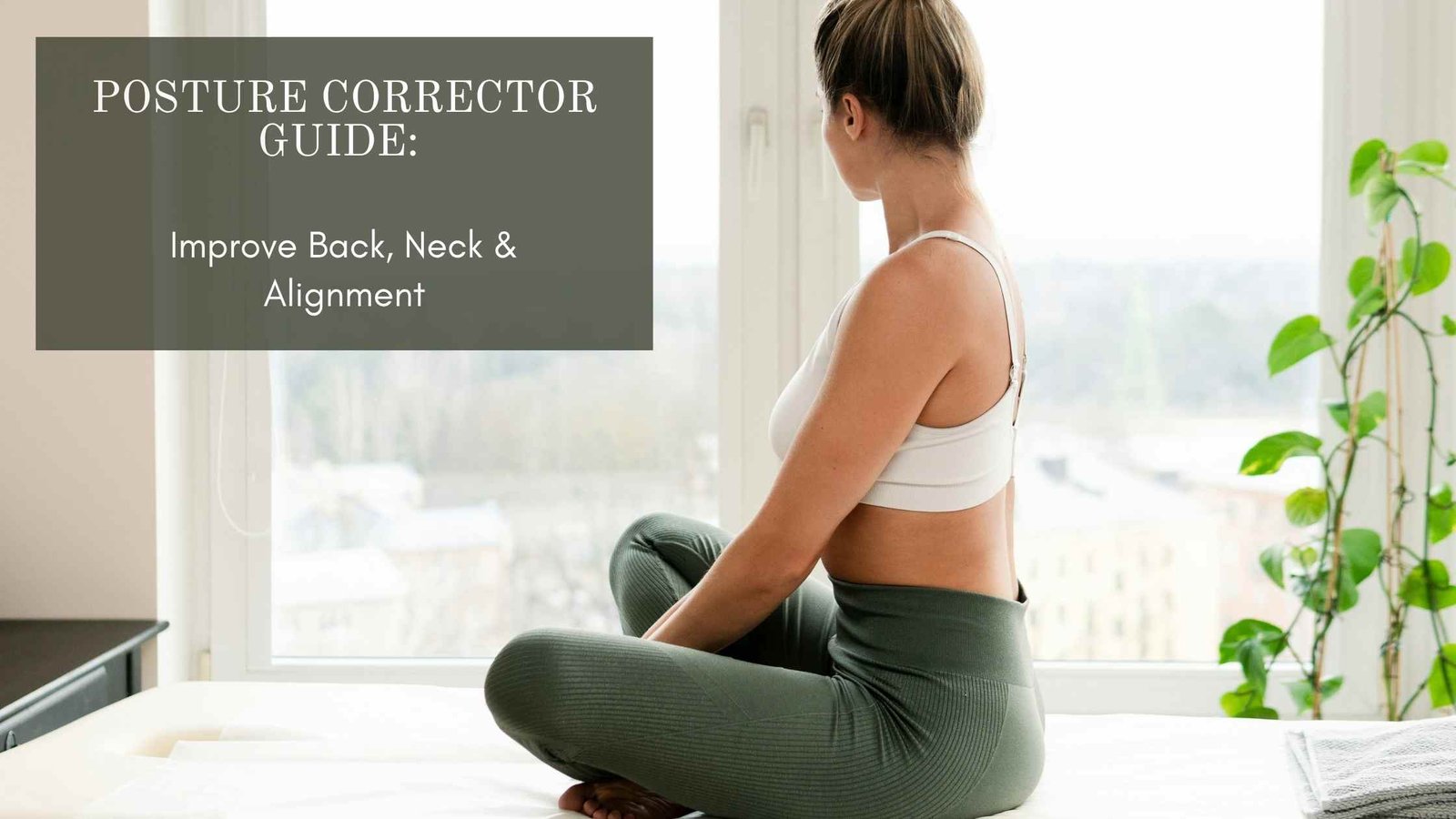

Struggling with slouched shoulders, tech neck, or nagging back pain? In our modern, screen-filled world, poor posture is more common than ever—and it’s impacting everything from your comfort to your confidence. A posture corrector can help realign your spine, reduce discomfort, and retrain your body to stand tall. In this complete guide, you’ll learn how posture correctors work, their key benefits, how to choose the right one, and how to combine them with proven methods like assisted stretching for lasting results.
What Is a Posture Corrector?
A posture corrector is a wearable device—like a brace, strap, smart trainer, or compression shirt—designed to support your upper body by gently pulling shoulders back and aligning the spine. It trains postural muscles through awareness, not brute force.
Common Types of Posture Correctors:
- Back braces: High support for chronic slouching
- Elastic straps: Lightweight, ideal for posture awareness
- Smart trainers: Offer real-time tech feedback
- Compression shirts: Discreet support under clothing
Benefits of Using a Posture Corrector
Regular use (1–2 hours per day) delivers both immediate relief and long-term posture improvement:
- Spinal Alignment: Corrects rounded shoulders and forward head posture.
- Pain Relief: Eases tension in neck, upper back, and shoulders.
- Boosted Confidence: Upright posture enhances mood and self-esteem.
- Better Breathing & Circulation: Opens the chest to improve airflow and blood flow.
- Muscle Retraining: Reminds muscles what proper posture feels like.
Posture Corrector Comparison: Choose What’s Right
| Type | Support | Visibility | Comfort | Best For |
| Back Brace | High | Moderate | Medium | Chronic slouching/back pain |
| Elastic Strap | Moderate | Low | High | Daily posture awareness |
| Smart Trainer | Low–Moderate | Very Low | High | Tech users, posture reminders |
| Compression Shirt | Moderate | Very Low | High | Discreet, under-clothing wear |
How to Choose the Right Posture Corrector
- Set Your Goal: Relief, awareness, or muscle retraining?
- Prioritize Comfort: Fit should support—not restrict—you.
- Plan Wear Time: Start with 20–30 minutes, gradually build to 1–2 hours.
- Consider Discretion: If worn under clothes, choose a low-profile design.
Why You Need More Than a Posture Corrector – Assisted Stretching Therapy
Using a corrector alone isn’t enough. Combine it with a proactive posture plan, including:
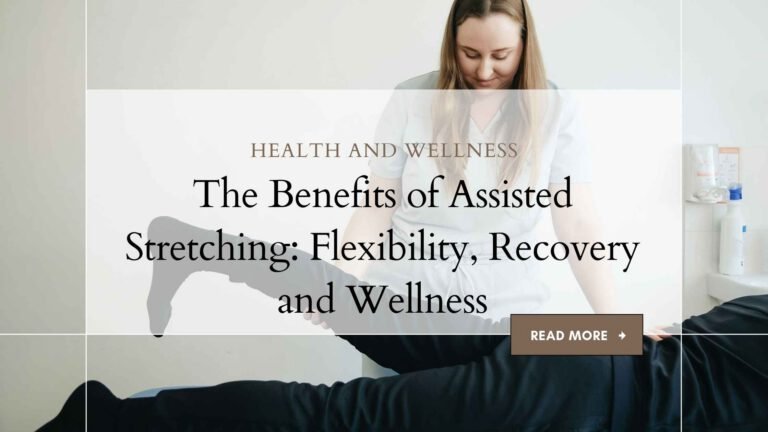
- Assisted stretching Improves Posture: Focuses on tight muscles that pull you forward
- Strength training: Builds postural muscles for long-term stability
- Ergonomic setup: Ensures your workspace supports good posture naturally
Key Benefits of Assisted Stretching:
- Opens tight chest/shoulder muscles
- Enhances spine mobility
- Targets root causes of poor posture
Use the link below to explore top-rated Assisted Stretching studios by city:
Discover your ideal stretch studio in seconds—whether you’re looking for deep-tissue relief, sports performance enhancement, or a rejuvenating unwind session. Each studio is hand-picked for expert therapists, glowing client reviews, and state-of-the-art facilities. Ready to unlock better mobility, reduced pain, and a healthier you? Click through, compare services, read real success stories, and book your first session with confidence—your body will thank you!
👉 Find Stretch Studios Near You by City »
Want to take your flexibility to the next level? Discover how professional help can deepen your stretch safely and effectively. Learn more about Assisted Stretching →
Daily Posture Routine for Long-term Results
Morning (5 min)
- Doorway chest stretch
- Neck rolls
- Shoulder blade squeezes
Midday (20–30 min)
- Wear your posture corrector
- Set phone reminders to check alignment
Evening (10 min)
- Foam rolling or assisted stretch session
- Wall angels
- Deep belly breathing
Avoid These Common Mistakes
- Overwearing: Limit use to 1–2 hours daily to encourage muscle engagement
- Wrong fit: Too tight causes pain, too loose is ineffective
- Skipping strength work: Use corrective exercises like chin tucks and wall slides
Alternatives & Complementary Methods
| Method | Purpose |
| Assisted Stretching | Lengthens tight muscles |
| Ergonomic Setup | Improves seated posture |
| Physical Therapy | Fixes deeper muscular imbalances |
| Yoga or Pilates | Builds posture awareness & strength |
| Posture Exercises | Wall slides, scapular retractions, etc. |
Frequently Asked Questions (FAQ)
Q: How long should I wear a posture corrector?
Start at 20–30 minutes daily, gradually increasing to 1–2 hours to develop awareness—not dependence.
Q: Can posture correctors permanently fix rounded shoulders?
They act as a reminder—permanent change requires stretching, strengthening, and consistent practice.
Q: Are they effective while sitting?
Absolutely. Great for desk workers and drivers to maintain alignment.
Q: Do they help with neck pain?
Yes, especially if neck strain comes from forward head posture—pair with stretches and ergonomic improvements.
Q: When shouldn’t I use one?
Avoid if you have spinal injuries, recent surgery, or skin irritation. Always check with a healthcare provider.
Q: Which is better: brace or smart trainer?
- Brace: Offers high support
- Smart trainer: Enhances awareness with tech
Choose based on whether you need structure or reminders.
Final Thoughts: Should You Use a Posture Corrector?
Yes—posture correctors are an effective tool for boosting awareness, alleviating strain, and retraining muscle habits. But for sustainable improvement, pair it with stretching, strengthening, and an ergonomic setup. Start small, stay consistent, and soon you’ll stand taller, breathe easier, and move with confidence every day.