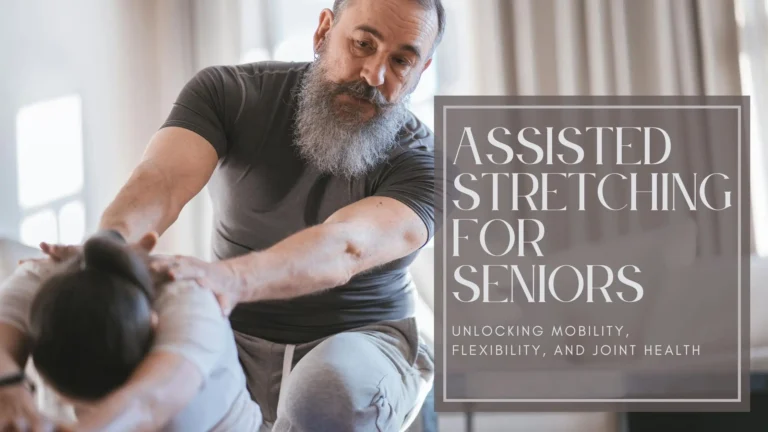
Assisted stretching for women is commonly used to support mobility, recovery, posture, and movement comfort across a wide range of life stages and activity levels. While the fundamentals of stretching apply to everyone, women often experience unique movement demands influenced by work patterns, caregiving roles, training styles, stress load, and hormonal cycles. Assisted stretching offers structured, non-medical support for navigating those demands safely and consistently.
This article explains how assisted stretching is typically used by women, when it may be most helpful, and how it fits into a broader wellness and recovery routine as of January 2026.
Key Takeaways
- Assisted stretching provides guided mobility support in a non-medical wellness setting.
- Many women use it to address posture, hip and back stiffness, and stress-related tension.
- Session pacing and communication are key to comfort and consistency.
- Frequency and intensity should align with lifestyle, training load, and recovery capacity.
- Assisted stretching works best as part of a broader recovery system.
Table of Contents
- How We Researched & Chose (Methodology)
- What Assisted Stretching Is for Women
- How Assisted Stretching Works (High Level)
- Common Reasons Women Use Assisted Stretching
- Common Misconceptions
- Recovery Modalities Explained
- Audience-Specific Deep Dives
- Comparison Table
- Assisted Stretching as Part of a Recovery Program
- Choosing a Recovery Studio
- Conclusion & Sample Weekly Plan
- FAQs
How We Researched & Chose (Methodology)
This article was developed using a review of movement science fundamentals, recovery best practices, and consensus guidance from the wellness and fitness industry. We analyzed how assisted stretching is used across different female populations, including desk workers, athletes, and older adults.
The goal is to present neutral, non-medical guidance focused on practical use, safety, and sustainability rather than outcomes or guarantees.
What Assisted Stretching Is for Women
Assisted stretching is a guided, hands-on service in which a trained practitioner helps move your body through controlled stretches. For women, this often means:
- Support with positions that are difficult to achieve alone
- Clear communication around comfort and boundaries
- Adjustable pacing based on energy levels and recovery needs
- Focus on commonly tight or overworked areas
Sessions are designed to support general mobility and movement comfort, not to diagnose or treat medical conditions.
How Assisted Stretching Works (High Level)
During a typical session, the practitioner positions your body to target specific joints or muscle groups while you remain relaxed or lightly engaged. Stretch depth and duration are adjusted in real time based on feedback.
For many women, this structure helps reduce the guesswork and inconsistency of self-stretching, especially when fatigue, stress, or time constraints are factors.
Common Reasons Women Use Assisted Stretching
Posture and daily movement support
Long periods of sitting, screen time, and repetitive tasks often contribute to stiffness in the hips, upper back, and neck. Assisted stretching can support postural awareness and joint comfort.
Hip and lower-body mobility
Hips are a frequent focus due to sitting, walking patterns, and training styles. Guided stretching helps access positions that are hard to reach alone.
Stress-related tension
Stress can influence muscle tone and movement comfort. Slower-paced assisted stretching paired with breathing can support relaxation within a wellness context.
Training and activity recovery
Women who train regularly often use assisted stretching to maintain usable range of motion during busy training cycles.
Consistency and accountability
Scheduled sessions provide structure for women who struggle to prioritize mobility on their own.
Common Misconceptions About Assisted Stretching for Women
“Stretching should always be deep to work.”
Effective stretching prioritizes comfort, control, and repeatability over intensity.
“Flexibility goals are the same for everyone.”
Mobility needs vary based on lifestyle, training, and movement history.
“Assisted stretching replaces all other movement.”
It works best alongside light self-guided mobility and everyday movement.
Recovery Modalities Explained: What to Use and When
Assisted stretching is often combined with other non-medical recovery services:
- Assisted Stretching: Guided flexibility and mobility support.
- Compression Therapy: Circulation-focused recovery routines.
- Cryotherapy / Cold Exposure: Short-duration cold practices.
- Contrast Therapy: Alternating hot and cold exposure.
- Infrared Sauna: Heat-based relaxation support.
- Percussion & Vibration Therapy: Localized muscle relaxation.
- Guided Mobility: Active movement patterns.
- Breath-Focused Recovery: Nervous system downregulation.
Audience-Specific Deep Dives
Beginners
Women new to assisted stretching often benefit from slower pacing and clear communication while learning how their body responds.
Desk Workers
Common focus areas include hips, thoracic spine, and shoulders to counter prolonged sitting.
Athletes
Female athletes often use assisted stretching to maintain mobility during high-volume training without adding more workload.
Seniors
For older women, assisted stretching emphasizes safe ranges of motion, comfort, and consistency.
DIY Stretching vs Assisted Stretching for Women
| Aspect | DIY Stretching | Assisted Stretching |
|---|---|---|
| Structure | Self-directed | Guided by a practitioner |
| Accountability | Variable | Scheduled sessions |
| Stretch Access | Limited by position | Expanded through assistance |
| Pacing | Self-managed | Externally guided |
Assisted Stretching as Part of a Recovery Program
Assisted stretching can complement recovery routines by improving movement comfort and awareness.
- Initial intake and goal discussion
- Light warm-up or mobility prep
- Targeted stretching of priority areas
- Continuous feedback and adjustment
- Rest and transitions between positions
- Brief at-home mobility recommendations
This information is for general wellness education and is not medical advice.
To explore the category further, visit the assisted stretching guide. To find local options, use the assisted stretching studio directory.
Choosing a Recovery Studio
When choosing an assisted stretching studio, women may want to look for:
- Clear communication around comfort and consent
- Non-medical scope disclosures
- Thoughtful intake and goal-setting
- Ability to adjust sessions based on energy and feedback
A National Recovery Studio City Directory (coming soon) will help compare services across locations.
Conclusion & Sample Weekly Plan
Assisted stretching for women supports mobility, recovery, and movement comfort when applied consistently and conservatively. The most effective routines align frequency and intensity with real life—not ideal schedules.
Sample Weekly Wellness Plan:
- 1 assisted stretching session
- 2–3 short DIY mobility sessions
- Optional complementary recovery modalities
FAQs
Is assisted stretching safe for most women?
It is generally suitable for many women when performed within a non-medical wellness scope and adjusted to comfort.
Does assisted stretching help with posture?
It may support movement awareness and joint comfort related to posture, but it is not a medical treatment.
How often should women do assisted stretching?
Many women start with once per week and adjust based on response and goals.
Can assisted stretching replace exercise?
No. It complements movement and activity rather than replacing them.
Should assisted stretching feel intense?
It should feel controlled and comfortable, not forced or painful.