
Maintaining a strong, mobile, pain-free body requires more than just building muscle or enhancing flexibility. A complete wellness strategy should also include bone-strengthening techniques. Combining assisted stretching with osteogenic loading offers a powerful approach to boost your mobility, prevent injury, and support long-term musculoskeletal health.
What Is Assisted Stretching?
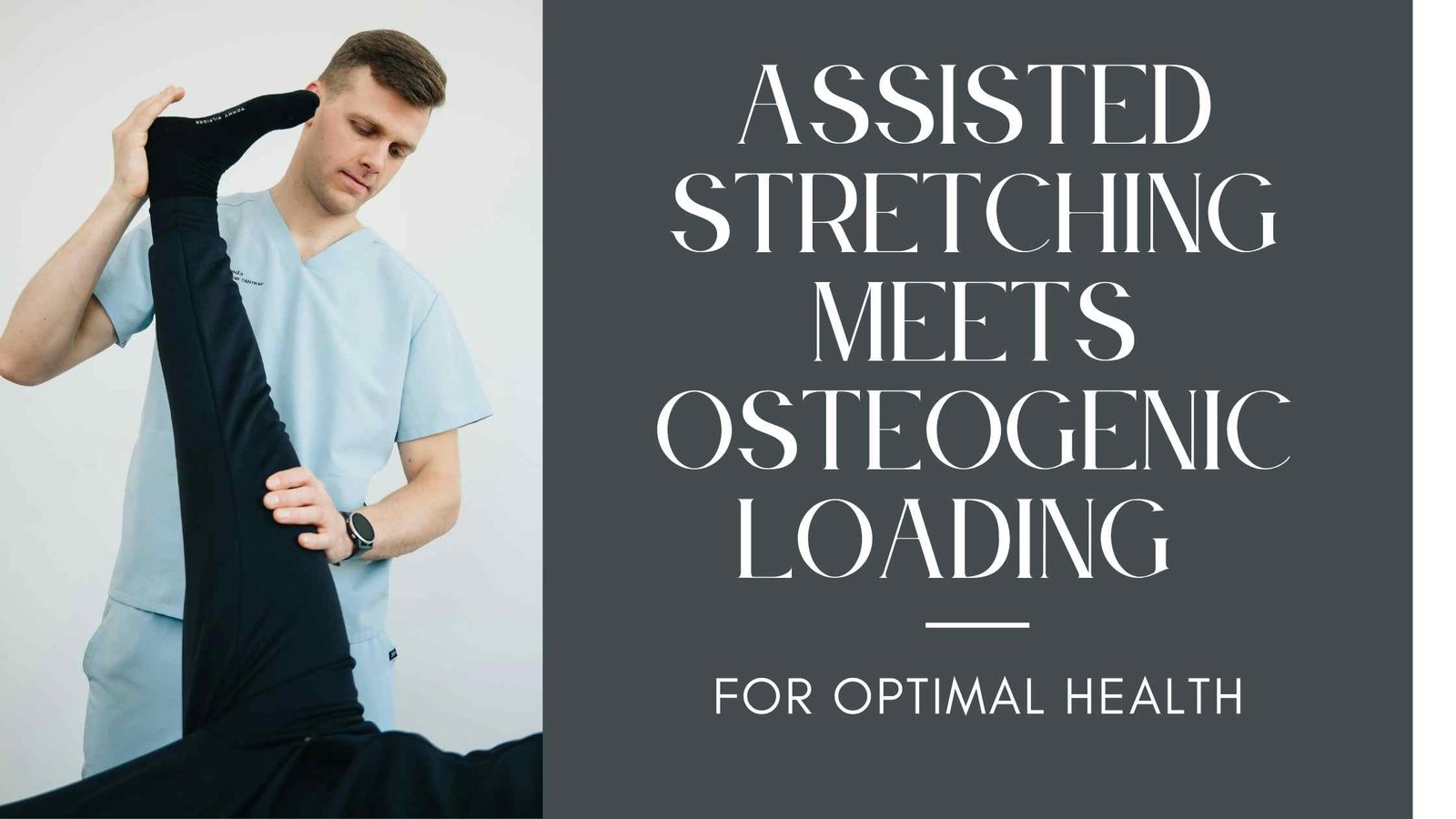
Assisted stretching involves a trained practitioner guiding your body through deeper stretches than you can achieve alone. This method offers:
- Greater flexibility & range of motion, improving posture and joint mobility
- Reduced muscle tension and aches, preventing chronic tightness
- Enhanced circulation & recovery, supporting tissue health and workout recovery
- Better athletic performance, translating flexibility into stronger muscle activation
- Alleviation of joint/back pain, especially beneficial for sciatica or arthritis sufferers
What Is Osteogenic Loading?
Osteogenic loading focuses on stimulating bone growth and skeletal strength with high-intensity, short-duration resistance loads. Benefits include:
- Increased bone density, reducing risks of osteoporosis and fractures
- Stronger balance and stability, enhancing core strength and coordination
- A solid defense against bone fragility, especially during aging
- Boosted muscle strength and athletic output, creating a better foundation for movement
- Faster recovery from joint stress, promoting efficient movement and less discomfort
The Synergy: Why These Modalities Should Be Combined
1. Strength + Flexibility = Resilient Movement
- Osteogenic loading builds a strong skeletal base
- Assisted stretching improves flexibility and fluid motion
Together, they mitigate injury risks, improve posture, and enhance biomechanics.
2. Smarter Prevention & Recovery
- Stretching keeps muscles supple, reducing damage during high-force loading
- It also accelerates recovery post-osteogenic sessions by reducing soreness
3. Better Joint & Postural Health
- Assisted stretching aligns your body, lifting stress from joints
- Osteogenic loading strengthens connective tissues, enabling easier, safer stretching
Who Should Use Both?
Both assisted stretching and osteogenic loading are valuable for:
- Active aging Seniors looking to prevent osteoporosis and mobility loss
- Athletes seeking peak performance, injury prevention, and faster recovery
- People with chronic stiffness or pain aiming for greater relief and flexibility
- Those committed to lifelong musculoskeletal wellness and functional fitness
A Smart Weekly Combo Plan
| Week Plan | Details |
| 1–2 Assisted Stretching Sessions (e.g., at StretchLab) | Longer stretches guided by a pro help muscles release tension, enhancing ROM for loading |
| 1 Osteogenic Loading Session | Short, high-intensity exercise to strengthen bones and joints |
This weekly routine balances strength, flexibility, and recovery, setting you up for a pain-free, dynamic body over time.
Why Choose Assisted Stretching with Your Osteogenic Loading?
- Improved Recovery & Comfort — Relax sore muscles and reduce tension after loading
- Enhanced Performance — Greater flexibility leads to safer, more effective loading sessions
- Injury Defense — Balanced muscle and bone systems resist strain better
- Optimized Posture & Efficiency — Stronger bones support better natural alignment, maximizing every movement
Find Assisted Stretching Near You
After learning what assisted stretching is and how it works, the next question most people ask is simple: Where can I actually book a session near me?
To make that easy, we’ve built a dedicated Assisted Stretching City Directory Hub that organizes professional stretch studios by city and state across the U.S. Each city page is designed to help you compare real options in your area, understand what services are offered, and know what to expect before you book your first session.
Whether you’re looking for guided stretching to improve flexibility, reduce daily tension, support recovery, or move better overall, the directory helps you skip the guesswork and find studios that clearly offer assisted stretching or stretch therapy.
👉 Browse our assisted stretching studio directory by city:
https://flexologyguide.com/stretch-studios-by-city/
From major metro areas to smaller regional cities, the directory is the fastest way to find assisted stretching options near you and take the next step toward better mobility.
Frequently Asked Questions (FAQs)
1. Is osteogenic loading safe for beginners or seniors?
Yes. Osteogenic loading is designed to be low-impact and time-efficient, making it safe for beginners and seniors. Certified practitioners guide the process to ensure proper form and controlled resistance based on individual capacity.
2. How long does it take to see results from osteogenic loading?
Most people notice improvements in strength, posture, or joint stability within 4–6 weeks. However, measurable changes in bone density may take 3–6 months depending on consistency, age, and baseline bone health.
3. Do I need to warm up before an assisted stretching session?
No warm-up is necessary. Assisted stretching sessions typically begin with light movements to gradually increase circulation and prepare your muscles for deeper stretching.
4. Can I combine these modalities with other fitness routines?
Absolutely. Both assisted stretching and osteogenic loading can complement workouts like strength training, yoga, Pilates, or cardio. They improve performance, reduce injury risk, and enhance recovery.
5. Is assisted stretching suitable for people with chronic conditions like arthritis or fibromyalgia?
Yes. Assisted stretching can relieve joint stiffness, improve flexibility, and reduce muscular tension, making it ideal for those with arthritis, fibromyalgia, or chronic pain—when supervised by a professional.
6. How often should I do osteogenic loading?
Most protocols recommend 1 session per week. Because of the high-force, low-frequency nature of the exercise, once a week is enough to stimulate bone and muscle adaptation.
7. Will assisted stretching hurt?
No. Assisted stretching is a gentle, controlled process. While you may feel slight discomfort during deep stretches, the goal is to increase range of motion safely without causing pain.
8. Is this combination covered by health insurance or HSA/FSA?
Some HSAs and FSAs may cover assisted stretching and osteogenic loading if prescribed for a medical reason. Check with your provider and the service location for eligibility and receipts.
9. Can assisted stretching improve balance and coordination?
Yes. By increasing joint mobility and muscle control, assisted stretching can enhance body awareness, which in turn supports better balance and coordination—especially important for aging adults.