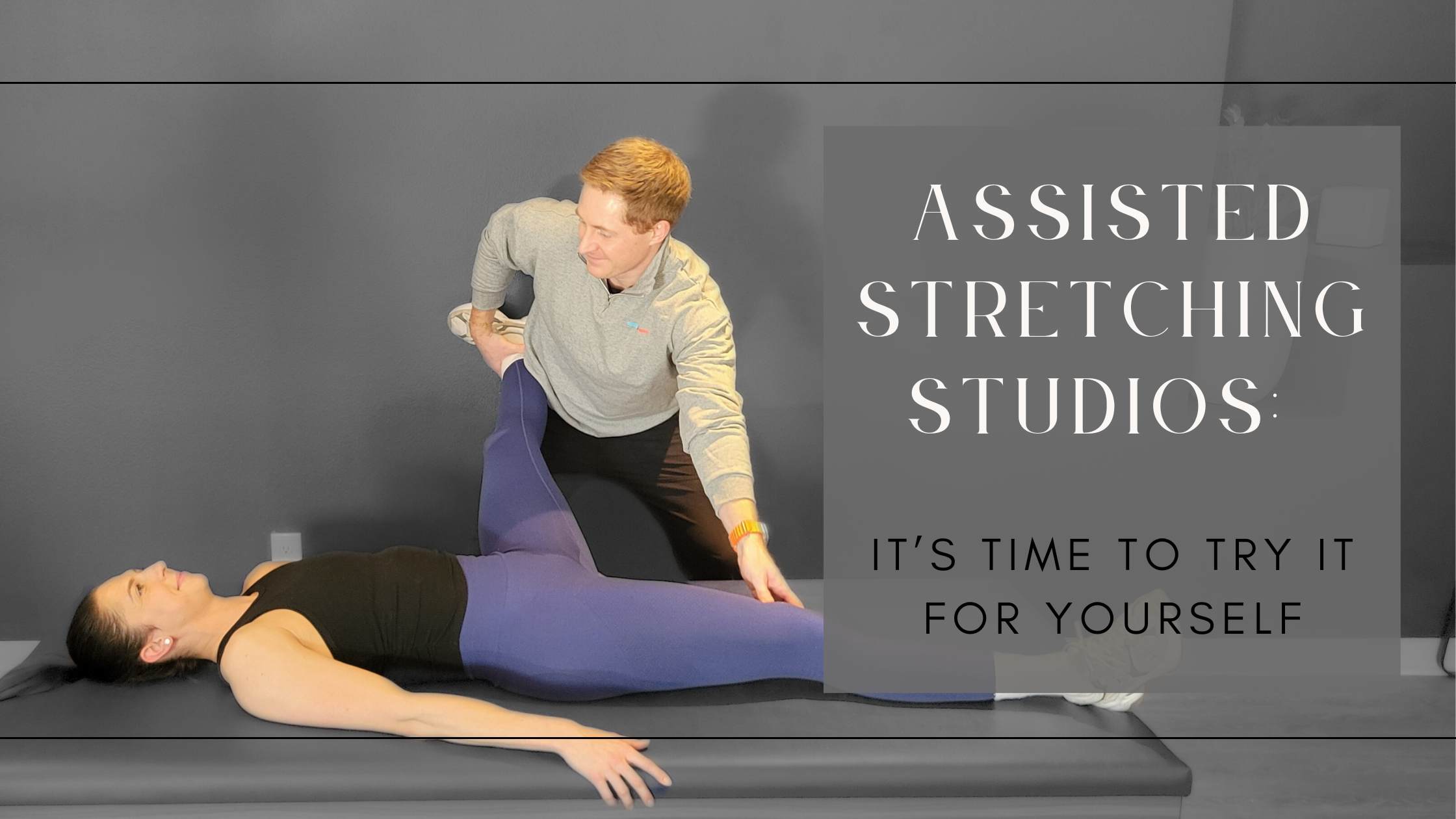

Assisted stretching studios provide one-on-one stretching sessions in which a practitioner helps position, stabilize and move your body through controlled stretches.
The category has expanded significantly, and consumers can now choose among large national franchises, regional operators and independent studios.
But these businesses are not identical.
They can differ in:
- Practitioner training
- Stretching methods
- Session length
- Use of stabilization equipment
- Technology
- Membership structure
- Geographic availability
- Overall studio experience
This guide compares several of the most established assisted stretching brands currently operating in the United States and explains what to evaluate before choosing one.
If you are trying to find an actual provider near you, use the FlexologyGuide Assisted Stretching Studio Search instead.
What Is an Assisted Stretching Studio?
An assisted stretching studio is generally a fitness, mobility or wellness business where a trained practitioner helps a client perform stretches.
During a typical session, the practitioner may:
- Position your limbs
- Stabilize parts of your body
- Guide joints through range of motion
- Adjust intensity based on feedback
- Use static or contract-relax techniques
- Track mobility changes over time
Unlike a group stretching class, most dedicated assisted stretching studios emphasize one-on-one sessions.
These studios should not automatically be treated as medical facilities.
Assisted stretching practitioners may have strong fitness, exercise-science or bodywork backgrounds, but company-specific training does not itself create a medical license.
For more detail, see What Is Assisted Stretching? and Are Assisted Stretching Studios Medical?.
Major Assisted Stretching Studios in 2026
The assisted-stretching industry includes both large national brands and smaller regional systems.
The brands below were selected because their current operations and assisted-stretching services could be independently verified.
| Brand | General Model | Session Approach | Distinguishing Feature |
|---|---|---|---|
| StretchLab | Large franchise | One-on-one stretching | Flexologists, 25- and 50-minute sessions |
| Stretch Zone | Large franchise | Practitioner-assisted stretching | Stabilization tables and patented strapping |
| Stretch U | Regional multi-state operator | Assisted stretching + myofascial work | 20-, 40- and 60-minute formats |
| Kika Stretch Studios | Smaller regional system | Gentle assisted stretching | Kika Method and relaxation emphasis |
| iFlex Stretch Studios | Growing modern brand | Assisted stretching + recovery technology | Mobility tracking and recovery devices |
| StretchMed | Specialized assisted-stretch brand | One-on-one stretching | Exercise-science prerequisites and extensive internal training |
This is not a ranking.
The best fit depends on your goals, practitioner preference, local availability, price and the experience you want.
StretchLab
StretchLab is one of the most visible assisted stretching brands in North America.
Its practitioners are called Flexologists.
Current StretchLab studios commonly offer:
- 25-minute one-on-one sessions
- 50-minute one-on-one sessions
- Personalized stretching programs
- Memberships and packages
- Mobility-oriented assessments at some locations
Current StretchLab location pages continue to advertise both 25- and 50-minute individualized sessions with trained Flexologists.
Practitioner Model
StretchLab Flexologists come from varied backgrounds.
Depending on the individual practitioner, those backgrounds may include:
- Exercise science
- Kinesiology
- Personal training
- Massage therapy
- Athletic training
- Dance
- Yoga
- Physical therapy education
- Other movement disciplines
StretchLab then provides company-specific Flexologist training.
That credential should not be confused with an independent healthcare license.
For the full role breakdown, see What Is a Flexologist?.
StretchLab May Appeal To
People who value:
- A large studio network
- Standardized session lengths
- One-on-one sessions
- A membership-based model
- Broad practitioner availability
Things to Compare Locally
- Individual practitioner background
- Introductory offer
- Membership cost
- Booking availability
- Whether you prefer 25 or 50 minutes
For a deeper brand guide, see StretchLab and StretchLab Prices.
Stretch Zone
Stretch Zone is another large assisted stretching franchise.
Its model centers on a proprietary stretching method using specialized tables and stabilization equipment.
Current Stretch Zone studios describe their service as practitioner-assisted stretching using patented strapping systems and proprietary tables to position and stabilize the body.
What Makes Stretch Zone Different?
The most obvious difference is its use of:
- Proprietary stretching tables
- Stabilization straps
- A standardized Stretch Zone Method
- Practitioner-guided range-of-motion work
Many current locations also advertise a free 30-minute introductory stretch for qualifying first-time local clients.
Stretch Zone May Appeal To
People who prefer:
- A structured standardized method
- External stabilization
- A large studio network
- A free first-session opportunity where available
Things to Compare Locally
- Practitioner background
- Membership structure
- Available appointment duration
- Free-intro eligibility
- Local cancellation policies
Read the full Stretch Zone Guide or compare StretchLab vs. Stretch Zone.
Stretch U
Stretch U has operated since 2010 and currently maintains studios across California, Missouri and Oklahoma.
Its model combines assisted stretching with myofascial techniques.
Current session formats include:
- 20-minute stretch
- 40-minute stretch
- 60-minute stretch
The longer sessions incorporate additional myofascial and vibration-oriented work according to the company.
Practitioner Training
Stretch U says practitioner candidates generally enter with backgrounds such as:
- Exercise science
- Massage therapy education
- Nationally accredited personal training
Its internal training program is described as exceeding 100 hours of coursework and hands-on instruction.
Stretch U May Appeal To
People who want:
- Multiple session lengths
- Assisted stretching plus myofascial work
- A regional rather than massive franchise system
- A more bodywork-oriented session
Things to Compare Locally
Stretch U has a much smaller geographic footprint than StretchLab or Stretch Zone, so availability is the primary limitation.
See the Stretch U Guide and StretchLab vs. Stretch U.
Kika Stretch Studios
Kika Stretch Studios uses a branded approach called the Kika Method.
The company currently lists 10 studios across seven states, including locations in Georgia, New Jersey, Pennsylvania, North Carolina, California and Maryland.
Kika emphasizes:
- One-on-one stretching
- Flexibility
- Relaxation
- A gentler experience than some performance-focused stretching environments
Kika May Appeal To
People who prefer:
- A calmer studio atmosphere
- A relaxation-oriented approach
- One-on-one guided sessions
- A smaller brand environment
Primary Limitation
Availability is much more limited than the largest assisted-stretching franchises.
When evaluating Kika, compare its local practitioner qualifications and pricing rather than assuming the branded method itself guarantees better outcomes.
iFlex Stretch Studios
iFlex combines assisted stretching with a more technology-oriented recovery experience.
Its current studios advertise personalized assisted stretching along with recovery equipment and mobility tracking.
Depending on location, iFlex currently offers:
- 25-minute stretches
- 50-minute stretches
- Introductory sessions
- Memberships
- Packages
Its public pricing page confirms both 25- and 50-minute session formats, while noting that prices can vary by location.
Technology Component
iFlex describes using recovery tools such as:
- Hyperice compression
- Massage devices
- Wearable recovery technology
- Mobility tracking systems
That gives it a somewhat different positioning from studios focused only on assisted stretching.
iFlex May Appeal To
Consumers interested in:
- Assisted stretching
- Recovery technology
- Progress tracking
- A modern studio environment
- Combining stretching with other recovery modalities
Consideration
The technology should be treated as an added feature rather than evidence that the stretching itself is more effective than other professionally delivered methods.
StretchMed
StretchMed is another active assisted-stretching system with a strong emphasis on practitioner education.
The company currently states that candidates for its Certified Stretch Therapist program must have a related exercise-science degree before completing its proprietary 100-hour training program.
StretchMed describes its sessions as combining:
- Static stretching
- PNF-style techniques
- One-on-one sessions
- Percussion work at the end of appointments
StretchMed May Appeal To
People who place a high value on:
- Formal practitioner prerequisites
- Extensive internal training
- 50-minute sessions
- A PNF-oriented approach
Important Clarification
The term Certified Stretch Therapist is a company credential.
It should not be interpreted as a medical license.
StretchMed itself operates in the assisted-stretching and wellness category rather than automatically becoming clinical rehabilitation.
What Happened to Some of the Brands in the Older FlexGuide Article?
The previous version of this article also listed:
- Unwind Stretch Studio
- Body Bend Studio
- LYMBR
- Other smaller providers
Those brands were described with broad claims about athletic specialization, medical-grade services, nutrition coaching and other distinguishing features.
Those descriptions should not remain unless FlexGuide can verify them through current provider-owned sources.
The national database gives us a better approach.
Rather than publishing assumptions about smaller brands, FlexGuide can include verified individual locations in Studio Search and expand editorial coverage when enough verified information exists.
How to Compare Assisted Stretching Studios
Brand recognition is only one factor.
A good buying decision should consider the local studio and practitioner.
1. Practitioner Background
Ask what education or experience the person stretching you has.
Potential backgrounds include:
- Exercise science
- Kinesiology
- Personal training
- Massage therapy
- Athletic training
- Physical therapy education
- Dance
- Yoga
- Sports performance
Company training is valuable, but practitioner backgrounds can still vary significantly.
For more guidance, see Assisted Stretching Certifications.
2. Session Length
Longer is not automatically better.
Shorter sessions may work well when you want:
- A targeted mobility session
- Lower cost
- Easier scheduling
Longer sessions may suit:
- Full-body work
- Multiple mobility restrictions
- People who prefer a slower pace
Compare actual practitioner time—not just the advertised monthly membership price.
3. Stretching Method
Different studios emphasize different systems.
Examples include:
- Static stretching
- Contract-relax techniques
- PNF-inspired stretching
- Myofascial work
- Stabilization tables
- Recovery equipment
None should automatically be assumed superior.
The quality of execution and fit for your needs matter more than branding terminology.
4. Practitioner Consistency
Ask whether you can repeatedly work with the same person.
A consistent practitioner may become familiar with:
- Your mobility limitations
- Your preferred intensity
- Your goals
- Previous session response
That may matter more than small differences between national brands.
5. Membership Terms
Before joining, ask:
- Monthly price
- Number of sessions
- Session duration
- Minimum commitment
- Auto-renewal terms
- Cancellation notice
- Credit rollover
- Credit expiration
- Freeze options
- No-show fees
A good studio experience can still be poor value if the membership structure does not fit your schedule.
6. Location
Convenience matters.
A studio that is easy to reach from home, work or the gym may provide more practical value than a theoretically better provider that you rarely visit.
7. Your Actual Goal
Different consumers may prioritize different experiences.
General Mobility
Most established brands can provide general one-on-one mobility work.
Athletic Mobility
Look closely at the individual practitioner’s sports and performance background rather than assuming an entire franchise specializes in athletes.
See Assisted Stretching for Athletes.
Desk-Related Stiffness
Accessibility and consistency may matter more than advanced equipment.
See Assisted Stretching for Desk Workers.
Injury or Persistent Pain
A commercial stretching studio may not be the appropriate starting point.
When symptoms are persistent, unexplained or related to injury, a licensed healthcare provider or physical therapist may be more appropriate.
Assisted Stretching Studios vs. Physical Therapy
This distinction is important.
Assisted stretching studios generally operate in the wellness and fitness market.
Physical therapy is licensed healthcare.
A stretch practitioner may help you work on:
- Flexibility
- Range of motion
- Mobility
- General feelings of stiffness
Physical therapists can evaluate and treat injuries and movement impairments within their licensed scope.
If you are looking for rehabilitation rather than a wellness service, the distinction matters.
Are Assisted Stretching Studios Worth It?
They can be.
Assisted stretching may provide good value if:
- You struggle to stretch consistently.
- You benefit from hands-on positioning.
- You prefer guided mobility work.
- You like having scheduled appointments.
- The studio is convenient.
- You regularly use the membership.
- You find a practitioner you trust.
It may provide less value if:
- You already follow a good mobility program independently.
- The membership is difficult to use.
- Your main issue requires rehabilitation rather than stretching.
- You dislike hands-on services.
- You are primarily purchasing because of aggressive sales pressure.
The best way to evaluate a studio is usually to try an introductory session before committing to a recurring plan.
Find Assisted Stretching Studios Near You
FlexologyGuide no longer relies on a separate article for every city.
Instead, the FlexologyGuide Assisted Stretching Studio Search uses a national provider database to help consumers find assisted stretching providers by location.
Search by:
- City
- State
- ZIP code
- Surrounding metro area
The database includes major franchises, regional operators and qualifying independent studios.
That allows you to compare actual local options rather than choosing a brand before knowing which providers are nearby.
Frequently Asked Questions
What are the largest assisted stretching brands?
StretchLab and Stretch Zone are among the most prominent national brands. Other active systems include Stretch U, Kika Stretch Studios, iFlex and StretchMed.
Is StretchLab better than Stretch Zone?
Neither is automatically better. They use different systems and studio models. The better fit depends on local practitioner quality, price, appointment availability and which method you prefer.
See StretchLab vs. Stretch Zone.
Are assisted stretching studios medical?
Generally no. They typically operate as wellness or fitness businesses. Individual practitioners may separately hold healthcare credentials, but company training alone does not constitute a medical license.
Do assisted stretching studios help flexibility?
Stretching itself can improve range of motion and flexibility. A studio adds professional positioning, assistance, feedback and accountability.
How long are assisted stretching sessions?
Session length varies by brand. StretchLab commonly offers 25- and 50-minute formats, Stretch U currently offers 20-, 40- and 60-minute sessions, and other brands use their own appointment structures.
Do I need a membership?
Not always. Some brands and locations offer introductory visits, packages or individual sessions in addition to memberships. Policies vary by studio.
Which stretch studio has the best practitioner training?
Training requirements differ considerably. Stretch U currently advertises 100+ hours of internal training following qualifying education or certification, while StretchMed states candidates need a related exercise-science degree followed by a 100-hour company training program.
That does not automatically determine which individual practitioner will be the best fit.
Where can I find an assisted stretch studio near me?
Use the FlexologyGuide Assisted Stretching Studio Search and search by city, state or ZIP.
Related FlexologyGuide Resources
- What Is Assisted Stretching?
- Find Assisted Stretching Studios Near You
- StretchLab
- Stretch Zone
- Stretch U
- StretchLab vs. Stretch Zone
- StretchLab vs. Stretch U
- What Is a Flexologist?
- Assisted Stretching Certifications
- Are Assisted Stretching Studios Medical?
- Assisted Stretching for Athletes
Bottom Line
The assisted-stretching market now includes several legitimate studio models rather than one clearly dominant approach.
StretchLab and Stretch Zone provide the largest franchise-style footprints.
Stretch U combines assisted stretching with myofascial techniques and multiple session lengths.
Kika places more emphasis on a gentle, relaxation-oriented experience.
iFlex combines stretching with recovery technology and tracking.
StretchMed places unusually strong emphasis on practitioner education requirements.
The brand is only the first filter.
The more important questions are:
Who will actually stretch you?
What training do they have?
Does the session format match your goals?
Can you consistently book appointments?
Do the membership terms make financial sense?
Use FlexologyGuide’s national Studio Search to compare the providers actually available near you before deciding which model fits best.