Are assisted stretching studios medical? This is one of the most common questions people ask before booking their first session, especially when assisted stretching is used for recovery, mobility, or ongoing body maintenance. Assisted stretching studios operate within the wellness and recovery space, not the medical or clinical healthcare system. Understanding where these services fit helps set appropriate expectations, improve safety, and clarify when professional medical care may be more appropriate.
Assisted stretching is designed for individuals seeking structured mobility support, recovery from physical stress, and improved range of motion—particularly when self-stretching feels ineffective or inconsistent. While sessions may feel therapeutic, they are not medical treatments, diagnoses, or rehabilitation services.
This guide explains how assisted stretching studios differ from medical providers, what they can and cannot offer, and how they fit into a broader recovery ecosystem as of January 2026.
Key Takeaways
- Assisted stretching studios are non-medical wellness services, not healthcare providers.
- They focus on mobility, flexibility, and recovery—not diagnosis or treatment.
- Practitioners do not prescribe care or treat medical conditions.
- Assisted stretching may complement medical or physical therapy care when appropriate.
- Understanding this distinction helps set realistic and safe expectations.
Table of Contents
How We Researched This Topic
This article was developed using a review of current wellness industry standards, recovery best practices, biomechanics fundamentals, and hands-on coaching experience. We analyzed how assisted stretching is positioned across top-ranking educational pages, recovery studio materials, and professional training frameworks.
The goal was to reflect consensus guidance across the wellness and recovery space rather than opinion or marketing claims, ensuring clarity and neutrality.
What Assisted Stretching Studios Are
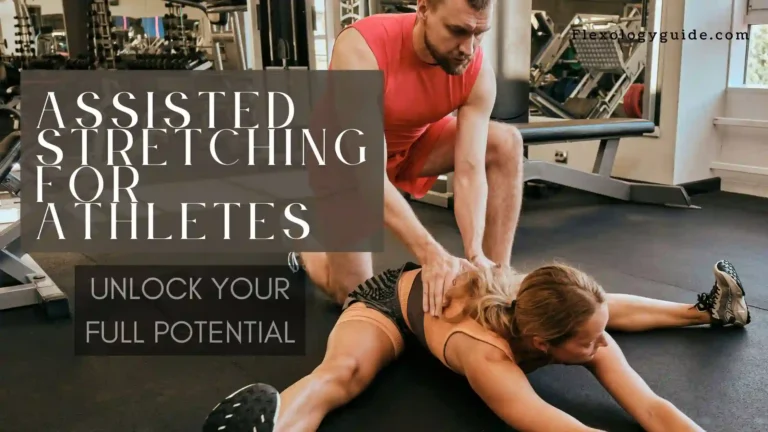
Assisted stretching studios provide guided, one-on-one or small-group stretching sessions led by trained professionals. The focus is on helping clients move through controlled stretches they may not be able to achieve comfortably on their own.
Sessions typically emphasize:
- Joint range of motion
- Muscle length and flexibility
- Postural awareness
- General recovery from physical stress
These services are categorized as wellness, fitness, or recovery support, not medical care.
Medical Care vs Wellness Services
Medical services involve diagnosing conditions, treating injuries or diseases, and prescribing care plans. These services are delivered by licensed healthcare professionals operating under regulated medical standards.
Assisted stretching studios do not:
- Diagnose medical conditions
- Prescribe treatment plans
- Provide rehabilitation for injuries
- Replace physical therapy or medical care
Instead, they support general movement quality and recovery for people who are otherwise healthy or managing everyday physical stress.
Common Misconceptions About Assisted Stretching
“If it helps my pain, it must be medical.”
Pain relief can occur through many non-medical methods, including movement, relaxation, and improved mobility.
“Stretching therapists are the same as physical therapists.”
Physical therapists are licensed medical professionals. Assisted stretching practitioners operate in the wellness space with different training and scope.
“Medical insurance should cover assisted stretching.”
Because assisted stretching is not medical care, it is typically not covered by insurance.
Recovery Modalities Explained: What to Use and When
Assisted stretching often exists alongside other non-medical recovery services:
- Assisted Stretching: Guided flexibility and mobility work.
- Compression Therapy: External pressure to support circulation.
- Cryotherapy / Cold Exposure: Short-term cold application for recovery routines.
- Contrast Therapy: Alternating hot and cold exposure.
- Infrared Sauna: Heat-based relaxation and recovery support.
- Percussion Therapy: Vibration tools used for muscle relaxation.
- Guided Mobility: Movement-based flexibility sessions.
- Breath-Focused Recovery: Nervous system regulation techniques.
Each modality serves different recovery goals and is often combined based on individual needs.
Who Commonly Uses Assisted Stretching
Beginners
People new to mobility work who want structured guidance without complex programming.
Desk Workers
Individuals managing prolonged sitting, postural fatigue, and reduced mobility.
Athletes
Those balancing training load, recovery cycles, and movement maintenance.
Seniors
Older adults seeking safe, controlled range-of-motion support.
Medical vs Wellness-Based Recovery
| Aspect | Medical Care | Assisted Stretching Studios |
|---|---|---|
| Diagnosis | Yes | No |
| Treatment of Injury | Yes | No |
| Focus | Health conditions | Mobility & recovery |
| Insurance Coverage | Often | Typically no |
Assisted Stretching as Part of a Recovery Program
Assisted stretching can complement recovery routines by supporting flexibility and movement quality alongside other wellness practices.
- Brief movement warm-up
- Guided stretching focused on major joints
- Controlled breathing during stretches
- Gradual increase in stretch depth
- Short rest between positions
- Post-session hydration
This is general wellness information, not medical advice.
Many people explore assisted stretching through professional studios or directories such as the assisted stretching studio directory, or learn more about the category at this assisted stretching guide.
Choosing a Recovery Studio
When selecting a recovery or assisted stretching studio, consider:
- Clear communication of non-medical scope
- Practitioner training and onboarding
- Client intake and safety screening
- Range of recovery services offered
Many consumers use a National Recovery Studio City Directory (coming soon) to compare services in their area.
Conclusion & Sample Weekly Plan
Assisted stretching studios are not medical providers, but they play a valuable role in the wellness and recovery landscape. When used appropriately, they support mobility, consistency, and movement awareness.
Sample Weekly Recovery Framework:
- 1–2 assisted stretching sessions
- 2–3 light self-guided mobility sessions
- Optional complementary recovery modalities
FAQs
Are assisted stretching studios considered healthcare providers?
No. They are wellness services and do not provide medical care.
Can assisted stretching replace physical therapy?
No. Physical therapy is medical care and serves a different purpose.
Do assisted stretching practitioners diagnose injuries?
No. They do not diagnose or treat medical conditions.
Is assisted stretching safe for most people?
It is generally suitable for many individuals when properly guided and disclosed.
Why does assisted stretching feel therapeutic?
Because improved movement and relaxation can create comfort, even without medical treatment.