StretchLab vs. Stretch Zone: A Comprehensive Comparison

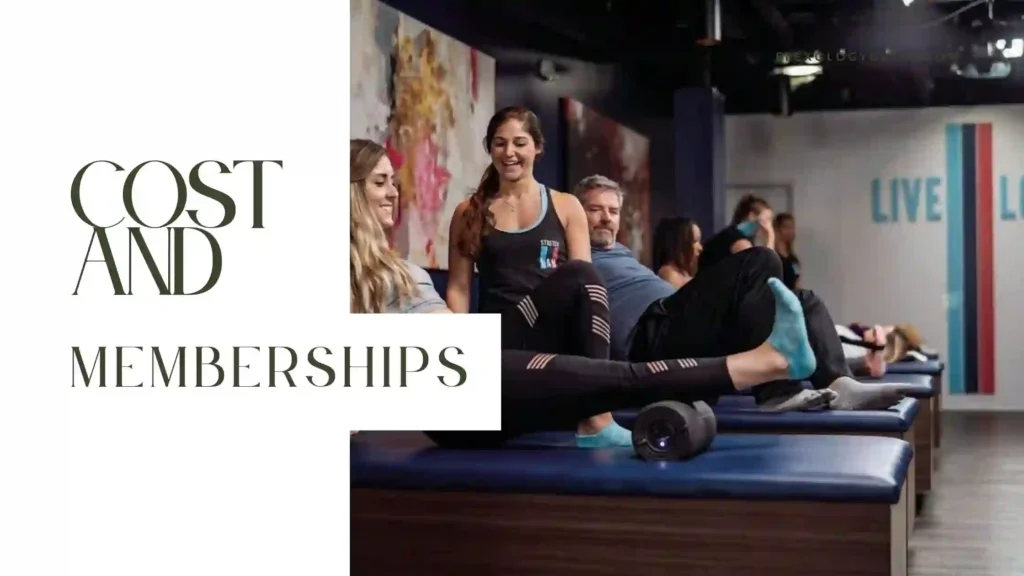
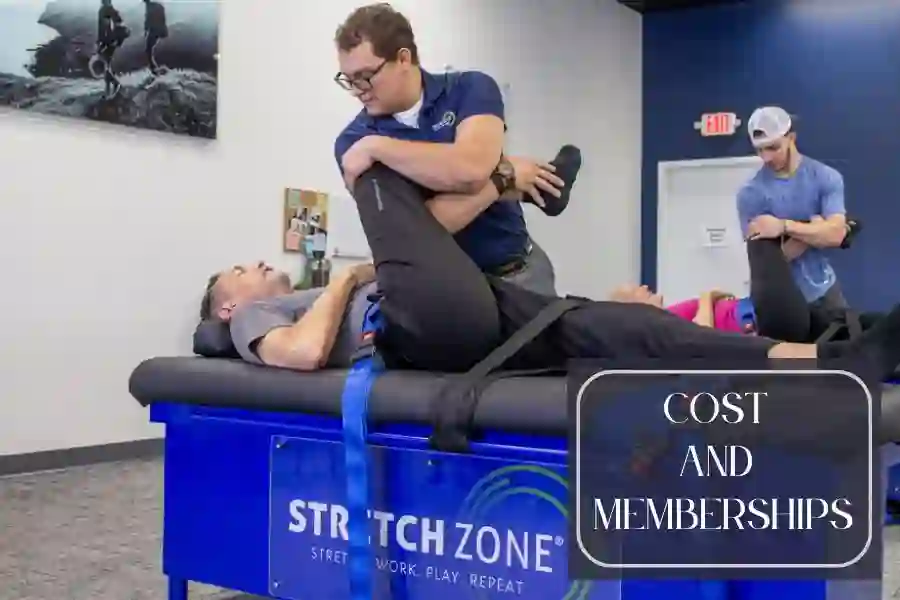
StretchLab vs Stretch Zone Assited Stretching Studio Side-by-side comparison of StretchLab and Stretch Zone studios, representing the differences in assisted stretching services and client experience

When it comes to assisted stretching, StretchLab and Stretch Zone are two of the most recognizable names. Both focus on improving flexibility, mobility, and how your body feels day to day. Where they differ is mainly in how sessions are structured, how much the experience varies from person to person, and what kind of client each model tends to fit best.

This guide compares StretchLab and Stretch Zone in a neutral, practical way. The goal is not to declare a winner, but to help you understand what you’re likely to experience at each option, what questions to ask before you book, and how to choose the studio model that matches your body, schedule, and preferences.

Table of Contents


The Importance of a Stretch Routine

A consistent stretch routine is one of the simplest ways to support mobility, posture, and physical comfort over time. For some people, stretching at home works well. For others, it’s difficult to stay consistent, hard to target the right areas, or challenging to stretch effectively without a second set of hands.

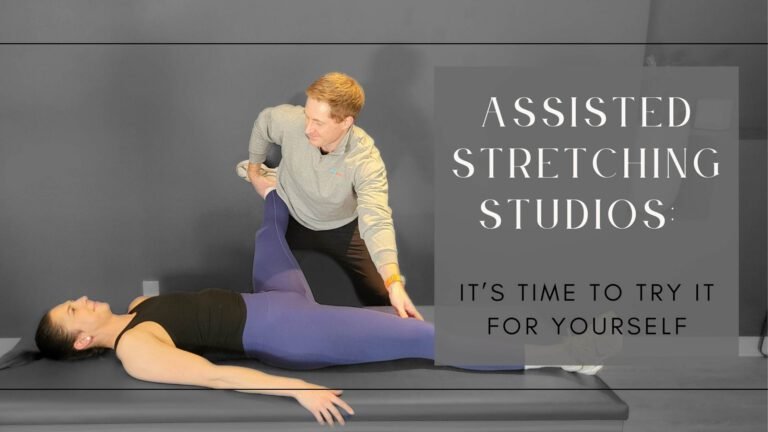
That is where assisted stretching can be useful. Instead of guessing which muscles to focus on or how to position your body, you work with a trained professional who guides the session and helps you get into stretches more safely and more effectively. Both StretchLab and Stretch Zone are built around this idea, but their session style and client experience can feel different depending on what you prefer.

Key Benefits of Assisted Stretching

1. Improved Flexibility and Mobility

Assisted stretching can help you gradually improve range of motion by positioning your body with intention and reducing compensations. Over time, that can make everyday movement feel smoother, especially in commonly tight areas like hips, hamstrings, chest, and shoulders.

2. Enhanced Athletic Performance

Many active people use assisted stretching as a complement to training. When you maintain mobility and reduce chronic tightness, workouts can feel more efficient and recovery can feel more manageable. The value here is less about “magic results” and more about keeping your movement quality higher across the week.

3. Pain Relief and Posture Support

Assisted stretching may help reduce tension in areas that often feel overworked, such as the upper back, neck, hip flexors, and calves. Some people also use stretching to support posture habits created by long hours of sitting. This isn’t medical treatment, but it can be a helpful part of a broader movement and recovery routine.

4. Stress Reduction

For many people, a stretching session feels calming. Slower breathing, gentle pressure, and guided movement can help you downshift—especially if your day is high stress or physically repetitive.

5. Injury Risk Management

No stretching method can eliminate injury risk, but improving mobility and maintaining range of motion may help some people move with better mechanics and fewer compensations. The best approach is consistency, plus choosing a stretching style that fits your body and goals.

StretchLab: Pros and Cons

StretchLab is a studio-based assisted stretching concept where sessions are typically delivered one-on-one by certified Flexologists™. In many locations, the experience is positioned as personalized: you discuss how your body feels, what you want to improve, and which areas need attention.

Like any franchise system, the exact experience can vary by location and by practitioner. Still, the general model is built around guided stretching sessions with a client-specific focus.

Pros

  • Personalized session focus: Many clients like that sessions can be adapted to how their body feels that day—tight hips, stiff shoulders, post-workout legs, or general full-body work.
  • Session length options: Many studios offer 25-minute targeted sessions and 50-minute full-body sessions, which can be helpful if you want either quick maintenance or a longer session.
  • Membership structure: Some people prefer a membership model because it supports consistency and makes it easier to build stretching into weekly routines.
  • Goal-oriented feel: In many studios, the intake process and coaching language are structured around goals like mobility improvement, recovery support, or posture habits.
  • Studio environment: Some clients enjoy a supportive, upbeat atmosphere, especially if they are newer to assisted stretching.

Cons

  • Cost can feel premium: Depending on your local market, pricing may be higher than other recovery options. For some people, it feels worth it for consistency and guidance; for others, occasional sessions or a different model may be a better fit.
  • Experience varies by studio: Like any franchise, practitioner style, availability, and overall vibe can differ between locations.

Stretch Zone: Pros and Cons

Stretch Zone is another major assisted stretching studio concept and is known for using a standardized method and a strapping system that helps stabilize the client in certain positions. Many people describe Stretch Zone sessions as structured and repeatable, which can be appealing if you want a consistent experience.

As with any multi-location brand, the quality of your session can depend on the individual practitioner and studio. The best way to evaluate fit is to try an intro session and pay attention to how your body responds.

Pros

  • Consistent structure: Some clients like a method-based approach that feels similar from session to session and reduces guesswork.
  • Supportive positioning: The stabilization system can help some clients feel secure in certain stretches and may make the session feel more controlled.
  • Intro offer accessibility: The availability of a free intro session in many markets can make it easy to try assisted stretching without upfront cost.

Cons

  • May feel less tailored for some goals: If you want a highly customized session that changes significantly based on your training schedule, sport, or unique tightness patterns, a standardized approach may or may not match what you want.
  • Format preference is personal: Some people love repeatable structure; others prefer flexibility in session flow. Neither is inherently better—just different.
  • Progress tracking expectations differ: If you want formal assessments or benchmarks, you may need to ask your local studio what they track and how they measure changes over time.

StretchLab vs. Stretch Zone: Key Differences

FeatureStretchLab.comStretchZone.com
CustomizationOften positioned as personalized and adaptableMethod-based, structured session flow
Progress trackingMay include goal-oriented intake and periodic reassessment (varies by studio)May be more routine-driven; ask your local studio what they track
Session optionsOften 25 or 50 minutesTypically structured formats; availability varies
AtmosphereOften upbeat and community-oriented (varies by studio)Often calm and method-focused (varies by studio)

StretchLab Prices vs. Stretch Zone Prices: Membership & Session Cost Comparison

Pricing note: This chart compares typical offers, but packages and intro pricing vary by region and studio. Always confirm with your local StretchLab or Stretch Zone for the most accurate pricing. Last updated: January 2026.

ServiceStretchLab Price (Varies by Location)Stretch Zone Price
Intro Session$49 – $69Free
Single 25-Minute Session$55$55
Single 50-Minute Session$105$99
3-Pack (25-Min Sessions)$149$160
5-Pack (25-Min Sessions)$259$300
10-Pack (25-Min Sessions)$509$575
3-Pack (50-Min Sessions)$279$280
5-Pack (50-Min Sessions)$499$520
10-Pack (50-Min Sessions)$750$750
Monthly Membership (4 Sessions – 25 Min)$149 – $189 (Shareable)N/A
Monthly Membership (4 Sessions – 50 Min)$249 – $329 (Shareable)N/A
Monthly Membership (8 Sessions – 25 Min)$279 – $349 (Shareable)N/A
Monthly Membership (8 Sessions – 50 Min)$519 – $569 (Shareable)N/A
Monthly Membership (12 Sessions – 25 Min)$409 – $469 (Shareable)N/A
Monthly Membership (12 Sessions – 50 Min)$749 – $799 (Shareable)N/A

This chart provides a detailed comparison of StretchLab and Stretch Zone pricing, including intro sessions, single sessions, multi-session packs, and membership options. Prices may vary by location. Always check with your local StretchLab or Stretch Zone for the most accurate pricing.

Find Assisted Stretching Near You

After learning what assisted stretching is and how it works, the next question most people ask is simple: Where can I actually book a session near me?

To make that easy, we’ve built a dedicated Assisted Stretching City Directory Hub that organizes professional stretch studios by city and state across the U.S. Each city page is designed to help you compare real options in your area, understand what services are offered, and know what to expect before you book your first session.

Whether you’re looking for guided stretching to improve flexibility, reduce daily tension, support recovery, or move better overall, the directory helps you skip the guesswork and find studios that clearly offer assisted stretching or stretch therapy.

From major metro areas to smaller regional cities, the directory is the fastest way to find assisted stretching options near you and take the next step toward better mobility.

How to Choose Between StretchLab and Stretch Zone

If you are deciding between StretchLab and Stretch Zone, the best choice usually comes down to the type of session structure you prefer, how important customization is to you, and what consistency looks like in your schedule.

You may prefer StretchLab if you want sessions that feel more adjustable—especially if your tightness patterns change week to week, you train regularly, or you like a longer session option that can cover more of the body. Many people also like the membership structure for building a routine.

You may prefer Stretch Zone if you like a consistent method, you want a repeatable session flow, or you prefer to start with a free intro session before deciding whether assisted stretching fits your routine. Some clients also like the stabilized positioning and the structured feel of the method.

In both cases, the most important variable is often the practitioner. If you have access to multiple locations, it can be worth trying an intro session at each and paying attention to communication style, comfort level, and how your body feels 24–48 hours later.

Your Next Step

If you are new to assisted stretching, booking an intro session is usually the simplest way to evaluate fit. Bring a short list of goals (for example: hips feel tight, shoulders feel restricted, you want better recovery, or you want to move better during workouts) and ask how the studio approaches those goals over time.

If you want to explore StretchLab and Stretch Zone locations near you, you can start here: Search for your local studio.

Frequently Asked Questions

What’s the difference between StretchLab and Stretch Zone?

StretchLab and Stretch Zone are both assisted stretching studio concepts, but they tend to differ in session structure. StretchLab is often positioned as more adaptable and goal-driven, while Stretch Zone is often described as method-based and consistent session to session. The exact experience can vary by location and practitioner, so an intro session is the best way to evaluate fit.

Who can benefit from assisted stretching?

Many people can benefit, including athletes, desk workers, older adults, and anyone dealing with general tightness or stiffness. Assisted stretching can also be useful for people who want help staying consistent or want guided positioning instead of stretching on their own.

Which is better for pain relief: StretchLab or Stretch Zone?

Neither brand is universally “better” for everyone. Some people prefer a more adjustable session style that focuses on their specific tight areas, while others prefer a consistent method they can repeat weekly. If pain relief is your main goal, communicate your comfort level and focus areas clearly, and pay attention to how your body responds after the session.

Is StretchLab more expensive than Stretch Zone?

It depends on your local market and the service. Stretch Zone often offers a free intro session, while StretchLab intro pricing commonly ranges from $49–$69. Single sessions and packs can be comparable, and StretchLab’s membership model can make sense if you plan to stretch consistently.

Can I share my StretchLab membership?

Yes. StretchLab memberships are shareable with whomever you want, and there is no added cost to share. This can be a practical option for couples, families, or friends who prefer using a shared pool of sessions.

Can I use StretchLab memberships at different locations?

Yes. StretchLab’s All Access membership structure allows membership usage across participating U.S. locations (international excluded). Appointment availability depends on each studio’s schedule.

How do I get started with assisted stretching?

Book an introductory session, ask how sessions are structured, and share your goals and comfort level. After your first visit, choose between single sessions, packs, or a membership based on how often you realistically plan to stretch.