

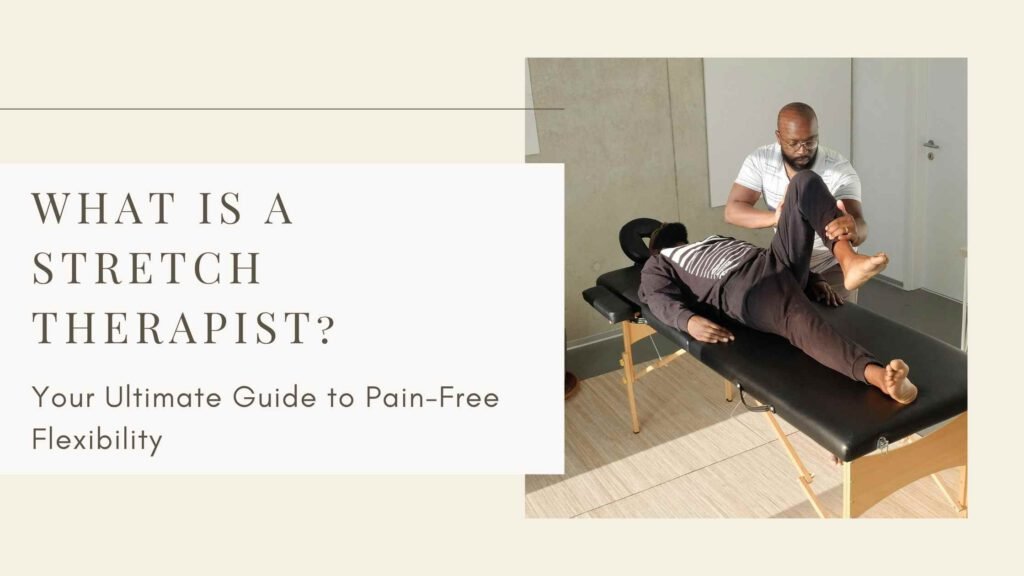
Are you struggling with tight muscles, everyday stiffness, or nagging discomfort? A Stretch Therapist can be the key to unlocking better movement, reducing chronic pain, and enhancing overall wellbeing. Whether you’re an athlete aiming for peak flexibility or someone tied to a desk job, stretch therapy offers targeted, hands-on support to help your body thrive.
Why You Need a Stretch Therapist in Your Life
As a certified flexibility coach with experience helping everyone from marathoners to post-op patients, I can confidently say: stretch therapy can be life-changing.
Traditional or “reactive” stretching often falls short—especially when focused purely on warming up or recovering from injury. Instead, stretch therapy is a proactive, methodical, and science-based approach that:
- ✅ Increases joint ease and fluidity
- ✅ Reduces risk of strains, sprains, and soft-tissue injuries
- ✅ Speeds up post-workout or post-sedentary recovery
- ✅ Boosts posture, alignment, and body symmetry
- ✅ Helps you feel more agile, youthful, and energized
What Does a Stretch Therapist Actually Do?
During your personalized session, a stretch therapist will assess and address your unique needs through hands-on strategies like:
- PNF Stretching (Proprioceptive Neuromuscular Facilitation): Contract-and-relax techniques that lengthen muscles efficiently
- Myofascial Release: Releasing tension in fascia for deeper flexibility gains
- Assisted Static Holds: Sustained positions with gentle guidance you likely can’t achieve solo
- Movement Tracking: Using measurable range-of-motion data for consistent progress monitoring
Each session is tailored to your body, limitations, and wellness objectives—no cookie-cutter routines here.
Benefits of Seeing a Stretch Therapist
Numerous clients report significant changes—and often within just a few sessions. Here’s a snapshot of typical results:
| Benefit | Impact Score (0–100) |
| Increased Flexibility | 95 |
| Reduced Pain & Discomfort | 90 |
| Lowered Injury Risk | 85 |
| Enhanced Athletic Performance | 80 |
| Improved Posture | 75 |
| Stress Reduction | 70 |
Want to take your flexibility to the next level? Discover how professional help can deepen your stretch safely and effectively. Learn more about Assisted Stretching →
Stretch Therapist vs. PT vs. Massage: What Suits You Best?
| Practitioner | Focus Area | Ideal For |
| Stretch Therapist | Proactive adjustment of flexibility & movement | Performance, posture, chronic tightness |
| Physical Therapist | Rehabilitation and injury recovery | Post-op healing, rehab, chronic injury |
| Massage Therapist | Myofascial release and soft tissue work | Tension release, soreness, stress |
A stretch therapist can collaborate with PTs and massage therapists as part of a holistic mobility plan.
What Happens in Your First Stretch Therapy Session
- Initial Assessment: Talk goals, pain spots, and posture. Conduct movement & mobility screening.
- Guided Stretching: The therapist guides your body with precise resistance or holds.
- Mobility Training: Learn breathing techniques, joint rotations, self-myofascial release (e.g., foam rolling).
- Personal Plan: You’ll receive tailored home care exercises to maintain progress.
Sessions typically last 25–50 minutes, and engaging 1–2 times per week for the first month yields the best results.
Who Should Book a Stretch Therapy Session?
Stretch therapy is ideal if you are:
- Stuck at a desk or managing work-related muscle tightness
- Aging and aiming to prevent stiffness or falls
- Into fitness and looking to amplify performance
- Dealing with chronic tension, back pain, poor posture, or body imbalances
Use the link below to explore top-rated stretch studios by city:
Discover your ideal stretch studio in seconds—whether you’re looking for deep-tissue relief, sports performance enhancement, or a rejuvenating unwind session. Each studio is hand-picked for expert therapists, glowing client reviews, and state-of-the-art facilities. Ready to unlock better mobility, reduced pain, and a healthier you? Click through, compare services, read real success stories, and book your first session with confidence—your body will thank you!
Find Assisted Stretching Near You
After learning what assisted stretching is and how it works, the next question most people ask is simple: Where can I actually book a session near me?
To make that easy, we’ve built a dedicated Assisted Stretching City Directory Hub that organizes professional stretch studios by city and state across the U.S. Each city page is designed to help you compare real options in your area, understand what services are offered, and know what to expect before you book your first session.
Whether you’re looking for guided stretching to improve flexibility, reduce daily tension, support recovery, or move better overall, the directory helps you skip the guesswork and find studios that clearly offer assisted stretching or stretch therapy.
👉 Browse our assisted stretching studio directory by city:
https://flexologyguide.com/stretch-studios-by-city/
From major metro areas to smaller regional cities, the directory is the fastest way to find assisted stretching options near you and take the next step toward better mobility.
How to Choose a Certified Stretch Therapist
To ensure safe, effective results, look for:
- Proper Training & Credentials (e.g., NASM Flexibility Coach, StretchLab Flexologist)
- Hands-On Experience with clients similar to you
- Positive Reviews & Proven Results
- Clean, Professional Studio or Clinic that makes you feel comfortable
You’ll find operators at places like StretchLab, Stretch Zone, boutique fitness studios, PT clinics, or even through in-home practitioners.
Is Stretch Therapy Worth It? Here’s Why It Is
Interested in better movement? Stretch therapy goes beyond the basics—it rewires how your body moves, feels, and recovers on a daily basis. The payoff? Fewer injuries, faster recovery, and more confident movement—possibly saving you thousands in medical costs down the road.
Stretch Therapy FAQ: Quick Answers
Q: Will Stretch Therapy hurt?
A: Not usually. Expect a deep stretching sensation, but therapists always stay within your comfort level.
Q: How often should I stretch?
A: Start with 1–2 sessions per week for 4–6 weeks, then transition to biweekly or monthly maintenance.
Q: Is Stretch Therapy covered by insurance?
A: Generally not—unless performed by a licensed PT under a medical treatment plan.
Q: What attire is best?
A: Wear flexible athletic clothes like leggings or shorts and a t-shirt—avoid restrictive fabric.
Q: Can I pair Stretch Therapy with massage or PT?
A: Absolutely. Combining modalities is often the best way to support your entire body.
Final Thoughts
A stretch therapist is far more than just someone who helps you touch your toes—it’s a gateway to improved body function, daily comfort, and long-term resilience. If you’re serious about moving better and feeling better, stretch therapy is a wise investment in lifelong mobility and wellbeing.