
Stretch Therapy is one of the most effective, science-backed ways to reduce stiffness, relieve pain, and improve how your body moves—especially if traditional stretching hasn’t worked for you. Whether you’re recovering from an injury, spending long hours at a desk, aging into tighter joints, or pushing your limits as an athlete, stretch therapy offers a guided, personalized approach to mobility that most people simply can’t achieve on their own.
In this in-depth guide, I’ll walk you through exactly what stretch therapy is, how it works, who it’s best for, how it compares to massage and yoga, and how to decide whether assisted stretching is right for you.
What Is Stretch Therapy?
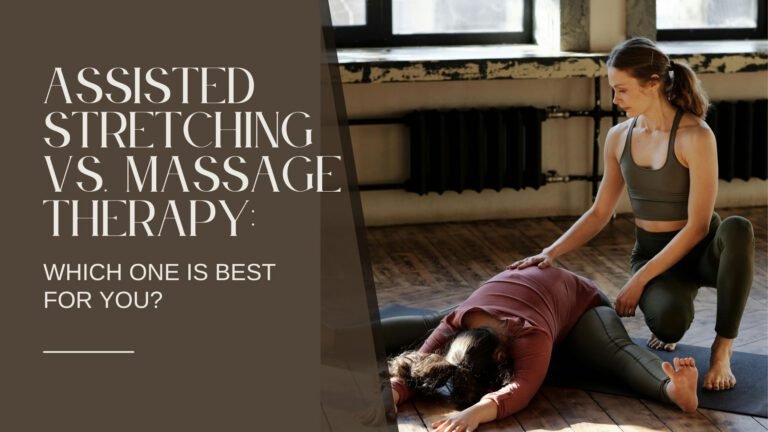
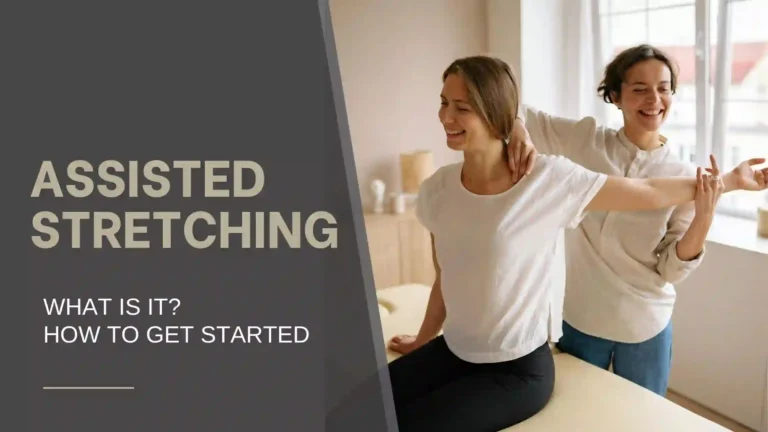
Stretch therapy is a guided, assisted stretching method performed by a trained professional who moves your body through controlled ranges of motion while you remain relaxed. Unlike static stretching you do on your own, stretch therapy focuses on improving joint mobility, muscle length, and fascial glide using proven techniques such as:
- Static passive stretching – muscles are gently held in lengthened positions
- PNF stretching – brief contractions followed by deeper relaxation
- Fascial stretching – targets connective tissue for whole-body mobility
The key difference is personalization. A stretch therapist adapts each session to your posture, injury history, lifestyle, and movement limitations—something generic routines can’t do.
7 Proven Benefits of Stretch Therapy
| Benefit | Why It Matters |
|---|---|
| Improved Flexibility | Makes daily movement easier and more comfortable. |
| Pain & Tension Relief | Targets tight hips, hamstrings, shoulders, and lower back. |
| Better Posture | Addresses imbalances caused by sitting and poor ergonomics. |
| Faster Recovery | Increases circulation and reduces post-workout stiffness. |
| Injury Prevention | Improves joint range of motion and movement efficiency. |
| Athletic Performance | Supports stronger, more fluid movement patterns. |
| Stress Reduction | Calms the nervous system through guided breathing and relaxation. |
Who Should Try Stretch Therapy?
- Desk-bound professionals with tight hips, neck, or lower back
- Athletes seeking better recovery and performance
- Seniors looking to maintain mobility and balance
- Anyone experiencing recurring stiffness, pain, or restricted movement
What Happens in a Stretch Therapy Session?
- Assessment: Your therapist evaluates posture, movement, and tight areas.
- Guided stretching: You stay passive while the therapist moves your limbs.
- Breathing focus: Slow breathing helps your nervous system relax.
Recommended Frequency
- Beginners: 2–3 sessions per week for 3–4 weeks
- Maintenance: 1 session every 1–2 weeks
- Athletes: Pre- and post-event sessions as needed
Stretch Therapy vs Massage vs Yoga
| Feature | Stretch Therapy | Massage | Yoga |
|---|---|---|---|
| Guided by Professional | Yes | Yes | No |
| Passive (No Effort) | Yes | Yes | No |
| Joint Mobility Focus | High | Low | Moderate |
Assisted Stretching: When and Why to Use It
Assisted stretching is ideal when self-stretching plateaus, pain persists, or movement feels restricted. Studios like StretchLab use trained professionals to guide each session safely.
Mini Assisted Stretch Protocol
- Start with diaphragmatic breathing (1–2 minutes)
- Move through hips, hamstrings, and thoracic spine
- Finish with gentle spinal decompression
Find Assisted Stretching Near You
After learning what assisted stretching is and how it works, the next question most people ask is simple: Where can I actually book a session near me?
To make that easy, we’ve built a dedicated Assisted Stretching City Directory Hub that organizes professional stretch studios by city and state across the U.S. Each city page is designed to help you compare real options in your area, understand what services are offered, and know what to expect before you book your first session.
Whether you’re looking for guided stretching to improve flexibility, reduce daily tension, support recovery, or move better overall, the directory helps you skip the guesswork and find studios that clearly offer assisted stretching or stretch therapy.
👉 Browse our assisted stretching studio directory by city:
https://flexologyguide.com/stretch-studios-by-city/
From major metro areas to smaller regional cities, the directory is the fastest way to find assisted stretching options near you and take the next step toward better mobility.
Key Takeaways
- Stretch therapy is a practitioner-guided approach that improves flexibility, posture, and joint health.
- It goes deeper than solo stretching by addressing fascia, nervous system response, and movement patterns.
- Assisted stretching is ideal for desk workers, athletes, seniors, and anyone dealing with chronic tightness.
- Sessions are passive—you relax while a trained professional does the work.
- Consistent stretch therapy can reduce pain, prevent injury, and improve daily movement quality.
Frequently Asked Questions
Is stretch therapy the same as massage?
No. Massage works on soft tissue, while stretch therapy focuses on joint motion and flexibility.
Is stretch therapy safe for seniors?
Yes. Sessions are low-impact and adapted to safe ranges of motion.
Will I be sore afterward?
Mild soreness is possible but usually resolves within 24 hours.
What should I wear?
Comfortable athletic clothing that allows movement.
Can stretch therapy help lower back pain?
Yes. Tight hips and hamstrings are common contributors to back pain.