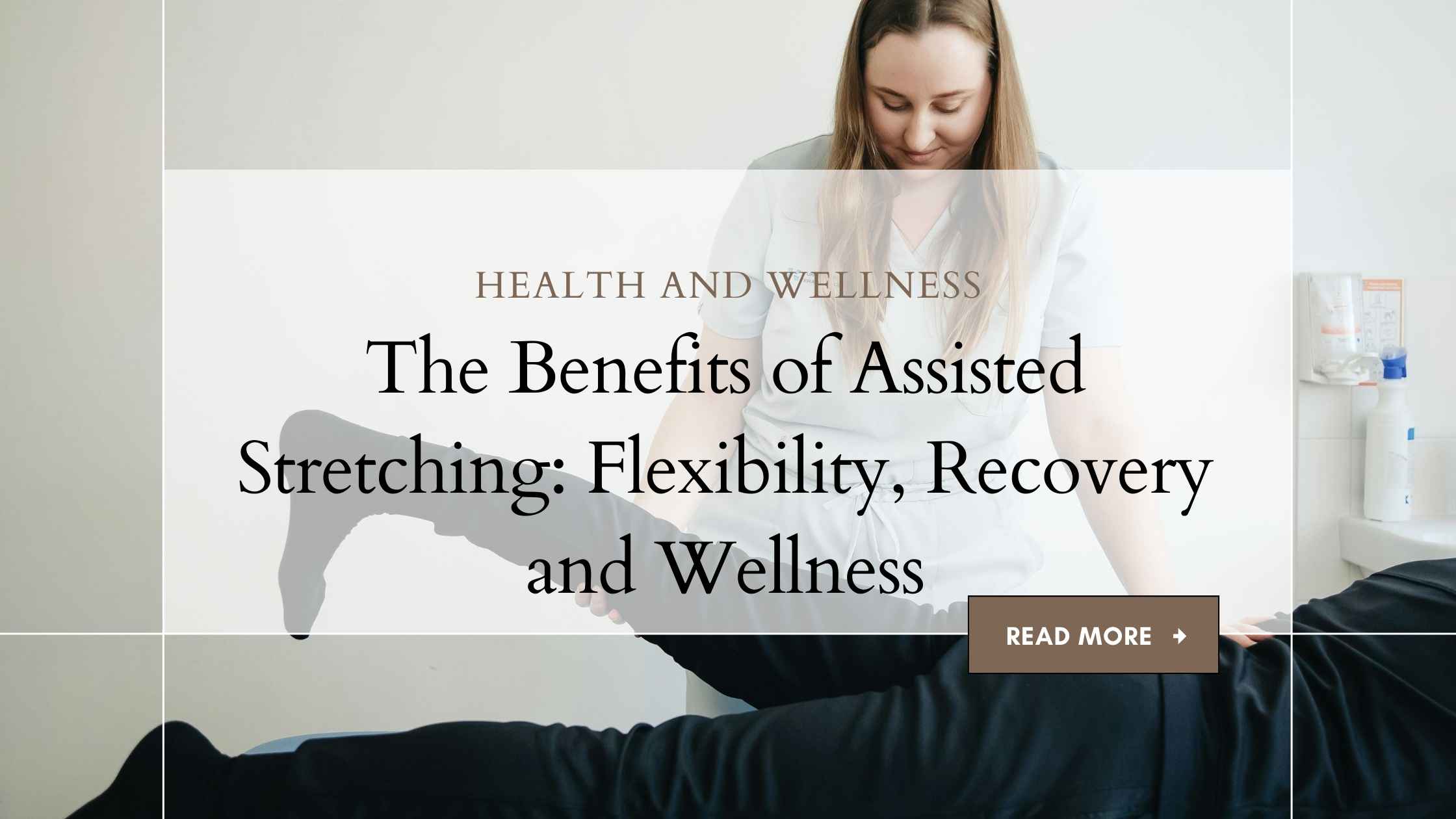

The benefits of assisted stretching go far beyond improving flexibility. Whether you’re an athlete optimizing performance, recovering from an injury, or seeking relief from muscle tension, assisted stretching offers a science-backed approach to improving mobility, reducing soreness, and promoting overall well-being.
Unlike traditional self-stretching, assisted stretching is guided by a trained professional who carefully moves your body through a safe and controlled range of motion. This method ensures deeper, more effective stretches while minimizing the risk of injury.
In this article, we’ll explore the core benefits of assisted stretching, from injury prevention and stress relief to enhancing posture, flexibility, and athletic performance.
What is Assisted Stretching?
Assisted stretching is more than just a regular stretching routine. It’s a one-on-one guided experience where a trained practitioner helps you achieve deeper and more effective stretches than self-stretching allows.
Why is Assisted Stretching More Effective Than Self-Stretching?
1. Proper Form and Technique
- A trained specialist ensures correct alignment and engagement, reducing the risk of overstretching or injury.
- Helps target muscle imbalances that are difficult to correct alone.
2. Deeper and More Effective Stretches
- Expert guidance allows for a greater range of motion than self-stretching.
- Helps lengthen muscles and fascia, making movement smoother and more efficient.
3. Customized Sessions for Individual Needs
- Tailored sessions address specific tight areas, muscle imbalances, and recovery goals.
- Focuses on problem areas like the lower back, hips, shoulders, or legs based on your lifestyle and fitness level.
4. Consistency and Accountability
- Scheduled sessions help maintain a regular stretching routine, ensuring long-term mobility and recovery benefits.
- Ensures progress tracking, helping you see measurable improvements over time.
The Core Benefits of Assisted Stretching
1. Enhances Flexibility and Mobility
Why it matters: Flexibility is essential for better movement, improved posture, and injury prevention.
- Increases range of motion, making everyday movements easier.
- Prevents muscle stiffness that can lead to mobility restrictions.
- Supports joint health by keeping ligaments and tendons supple.
- Boosts athletic performance, improving agility and responsiveness.
2. Reduces Muscle Tension and Stiffness
Why it matters: Muscle tension can cause pain, poor posture, and limited movement.
- Loosens tight muscles and reduces joint strain.
- Relieves postural tension from stress, sitting, or repetitive activities.
- Helps eliminate muscle knots, reducing chronic discomfort.
- Reduces muscle strains and overuse injuries by keeping muscles balanced.
3. Improves Circulation and Recovery
Why it matters: Increased blood circulation promotes faster recovery and better tissue health.
- Enhances blood flow, ensuring muscles receive oxygen for repair.
- Speeds up muscle recovery after workouts or injuries.
- Helps remove metabolic waste, reducing soreness and stiffness.
- Supports lymphatic drainage, reducing inflammation.
4. Supports Relaxation and Stress Relief
Why it matters: Assisted stretching can calm the nervous system and reduce stress.
- Activates the parasympathetic nervous system, triggering relaxation.
- Lowers cortisol levels, helping manage stress and anxiety.
- Encourages deep breathing techniques for mental clarity.
- Relieves physical tension, promoting overall relaxation.
5. Enhances Athletic Performance
Why it matters: Proper movement mechanics improve performance and injury prevention.
- Increases agility, speed, and endurance.
- Reduces muscle fatigue, allowing for longer training sessions.
- Prepares the body for movement, reducing injury risks.
- Enhances post-workout recovery, preventing soreness.
6. Aids in Injury Prevention
Why it matters: Many injuries result from tight or imbalanced muscles.
- Improves joint stability and flexibility, reducing injury risks.
- Prevents postural imbalances, which can cause chronic pain.
- Supports better movement mechanics for smoother, safer movement.
- Keeps ligaments and tendons supple, preventing muscle-related injuries.
The Role of Assisted Stretching in Posture and Back Pain Relief
1. Addresses Muscle Tightness and Imbalances
- Loosens tight muscles in the shoulders, back, and hips.
- Corrects forward head posture and rounded shoulders.
- Reduces strain from prolonged sitting or standing.
2. Encourages Spinal Alignment
- Reduces neck, shoulder, and lower back tension.
- Strengthens postural muscles, preventing slouching.
- Relieves chronic back pain caused by muscular imbalances.
3. Helps Desk Workers and Sedentary Individuals
- Counters the effects of prolonged sitting.
- Promotes better circulation and flexibility.
How Assisted Stretching Helps with Recovery
1. Speeds Up Healing After Workouts and Injuries
- Increases circulation, ensuring muscles receive essential nutrients.
- Reduces muscle soreness (DOMS) by elongating muscle fibers.
- Restores range of motion after an injury.
2. Reduces Nighttime Discomfort and Improves Sleep
- Relieves muscle tightness that disrupts sleep.
- Reduces leg cramps and muscle spasms.
- Supports natural sleep rhythms by promoting relaxation.
Find Assisted Stretching Near You
After learning what assisted stretching is and how it works, the next question most people ask is simple: Where can I actually book a session near me?
To make that easy, we’ve built a dedicated Assisted Stretching City Directory Hub that organizes professional stretch studios by city and state across the U.S. Each city page is designed to help you compare real options in your area, understand what services are offered, and know what to expect before you book your first session.
Whether you’re looking for guided stretching to improve flexibility, reduce daily tension, support recovery, or move better overall, the directory helps you skip the guesswork and find studios that clearly offer assisted stretching or stretch therapy.
👉 Browse our assisted stretching studio directory by city:
https://flexologyguide.com/stretch-studios-by-city/
From major metro areas to smaller regional cities, the directory is the fastest way to find assisted stretching options near you and take the next step toward better mobility.
Who Can Benefit from Assisted Stretching?
Athletes – Enhances performance, prevents injuries, and speeds up recovery.
Fitness Enthusiasts – Reduces post-workout soreness and increases flexibility.
Injury Recovery Patients – Helps regain mobility and minimizes stiffness.
Desk Workers – Relieves neck pain, back stiffness, and hip tightness.
Older Adults – Improves mobility, reduces stiffness, and enhances flexibility.
Final Thoughts
The benefits of assisted stretching extend far beyond flexibility. From reducing muscle soreness and preventing injuries to relieving stress and enhancing recovery, assisted stretching is a powerful tool for optimizing movement and well-being.
💡 Ready to experience the benefits firsthand? Book a session today and discover how assisted stretching can transform your mobility and health!
Frequently Asked Questions (FAQs)
Who can benefit from assisted stretching?
Everyone! Assisted stretching is beneficial for athletes, desk workers, seniors, and individuals with chronic pain or mobility issues. Understanding these benefits can empower you to take control of your health and wellness.
How often should I do assisted stretching?
Ideally, one to two times per week, but the frequency depends on individual needs, goals, and physical condition.
Can assisted stretching help with stress and anxiety?
Yes, assisted stretching activates the relaxation response, reduces muscle tension, and promotes mindfulness, all of which help lower stress and anxiety levels.
Does assisted stretching help with lower back pain?
Studies show that stretching tight muscles like the hip flexors and hamstrings can relieve pressure on the lower back, improving mobility and reducing discomfort.