Practicing two person yoga poses—also known as partner yoga—is more than simply matching movements. It’s a fun and powerful way to build trust, improve flexibility, and deepen your connection with another person, whether that’s a friend, loved one, or fellow yogi.
In this guide, we’ll explore:
- Benefits of partner yoga
- Tips for starting safely
- Step-by-step partner yoga poses (beginner to advanced)
- Assisted stretching techniques
- FAQs to help you get started
Why Practice Two Person Yoga?
Incorporating partner yoga into your practice offers unique benefits that solo yoga can’t always provide:
- Greater Flexibility: Partner-assisted stretches help you safely go deeper into poses.
- Improved Balance & Strength: Many partner poses require stability, coordination, and muscle engagement from both partners.
- Better Communication & Trust: The poses naturally encourage verbal and non-verbal connection.
- More Fun & Motivation: Practicing with someone adds playfulness and accountability to your routine.
Getting Started with Partner Yoga
Before trying any two-person yoga poses, keep these essential tips in mind:
- Communicate Clearly – Share any injuries, limitations, or discomforts before starting.
- Start Slow – Begin with beginner poses, then progress gradually.
- Use Props – Yoga blocks, straps, or cushions make poses safer and more comfortable.
- Stay Mindful – Move with control and listen to your partner’s feedback.
Beginner-Friendly Two Person Yoga Poses
Double Tree Pose
- How to:
- Stand facing each other, about an arm’s length apart.
- Place your right foot on your partner’s left thigh or calf (avoid placing it on the knee).
- Bring your palms together in a prayer position at chest level.
- Engage your core to help with balance and focus, and hold the position for 3–5 breaths.
- Switch sides after holding the pose for the desired duration.
- Benefits:
- Improves balance, leg strength, and coordination.
- Encourages mindfulness and focus as you synchronize your movements with your partner.
- Strengthens the standing leg and promotes deep engagement of core muscles.
- How to:
Partner Seated Forward Fold
- How to:
- Sit facing each other with your legs extended straight out and your feet touching.
- Hold onto each other’s wrists or hands, ensuring a firm but relaxed grip.
- Inhale deeply to lengthen your spines and create space in your back.
- Exhale as you fold forward gently, using your partner’s assistance to deepen the stretch, pulling them forward slightly to deepen the fold.
- Benefits:
- Opens the hamstrings and stretches the lower back.
- Improves flexibility in the hips and legs.
- Encourages a sense of trust as you rely on each other’s support to deepen the stretch.
- How to:
Back-to-Back Seated Twist
- How to:
- Sit back-to-back with your legs crossed comfortably.
- Inhale to lengthen your spine, sitting tall and grounded.
- On an exhale, twist to the right, placing your left hand on your partner’s right knee to help deepen the twist.
- Hold the position for a few breaths before switching sides.
- Benefits:
- Increases spinal mobility and flexibility, especially in the thoracic spine.
- Aids digestion by gently stimulating the organs through twisting.
- Helps to release tension in the lower back and hips, promoting relaxation.
- How to:
Intermediate Two Person Partner Yoga Poses
Double Downward Dog
- Partner A gets into a standard Downward-Facing Dog position with hands and feet on the floor, hips lifted.
- Partner B stands behind Partner A, placing their hands on Partner A’s hips for support.
- Partner B lifts their feet into Partner A’s hands, keeping their body in a plank-like position, with core engaged.
- Balance by lifting your legs and holding the position, engaging the core for stability.
- Benefits:
- Strengthens the arms, shoulders, and core.
- Improves balance and coordination by relying on each partner for support and stability.
- Deepens the stretch in the hamstrings and shoulders for both partners.
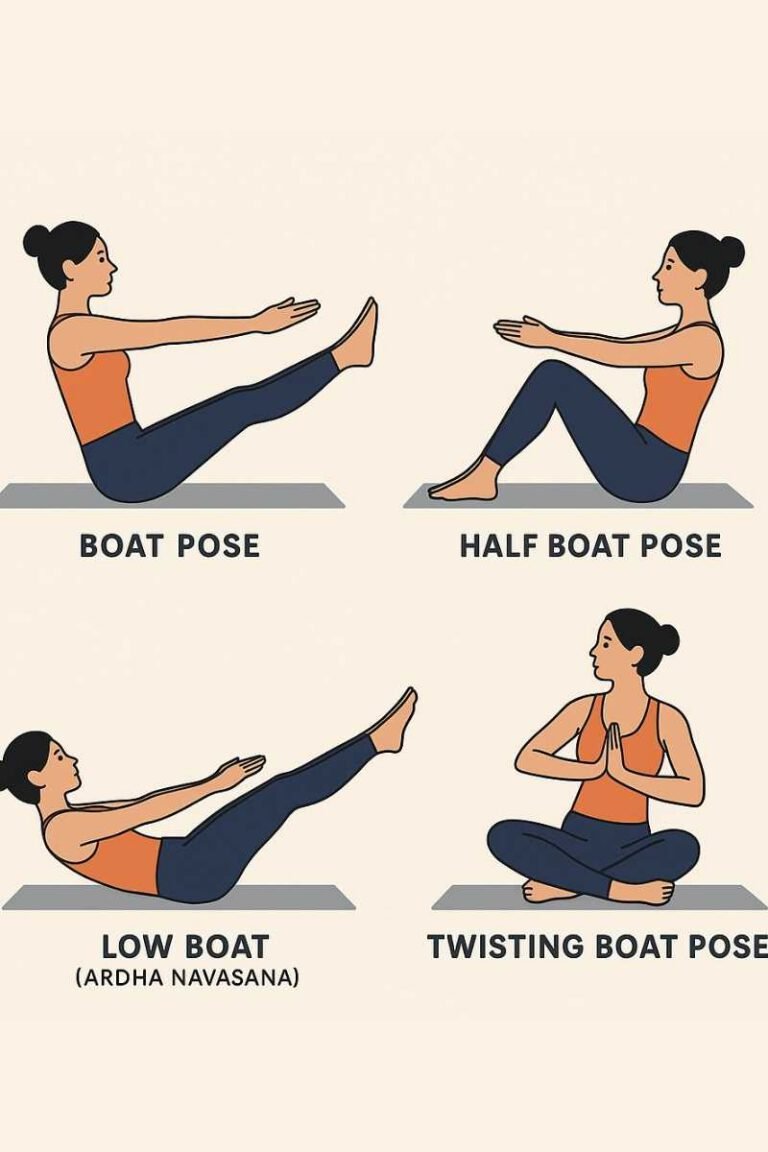
Partner Boat Pose
- Sit facing each other with your knees bent, feet flat on the floor.
- Hold onto each other’s wrists or hands.
- Lift your legs and bring the soles of your feet together, then straighten your legs to form a “V” shape.
- Engage your core and hold the position, keeping the chest open and shoulders relaxed.
- Benefits:
- Builds core strength and stability, challenging both partners to balance.
- Improves coordination as you synchronize the movement and positioning.
- Strengthens the hip flexors and lower back.
Advanced Two Person Yoga Poses
Flying Warrior Pose
- The base stands with feet hip-width apart, knees slightly bent for support.
- The flyer faces the base, placing their hands on the base’s shoulders.
- The base lifts the flyer by the hips, assisting them in extending their legs straight back while the flyer holds their arms out in front for balance.
- The flyer engages their core and uses their strength to maintain the pose, while the base ensures stability by holding the hips securely.
- Benefits:
- Boosts trust between partners, as the flyer must rely on the base for support and lift.
- Develops total-body strength, especially in the legs, arms, and core.
Improves balance and coordination, as both partners work together to maintain the pose.
Partner Handstand Pose
- Partner A performs a handstand against a wall for support.
- Partner B assists by standing behind Partner A and holding their hips, providing stability and preventing the flyer from losing balance.
- Partner B can gently guide Partner A’s body, helping to stabilize their position as they hold the handstand.
- Benefits:
- Strengthens the shoulders, arms, and core for both partners.
- Builds confidence and trust, as the flyer relies on the base for safety and support.
- Improves balance and spatial awareness for both partners in an advanced, dynamic pose.
Assisted Stretching Techniques for Partner Yoga
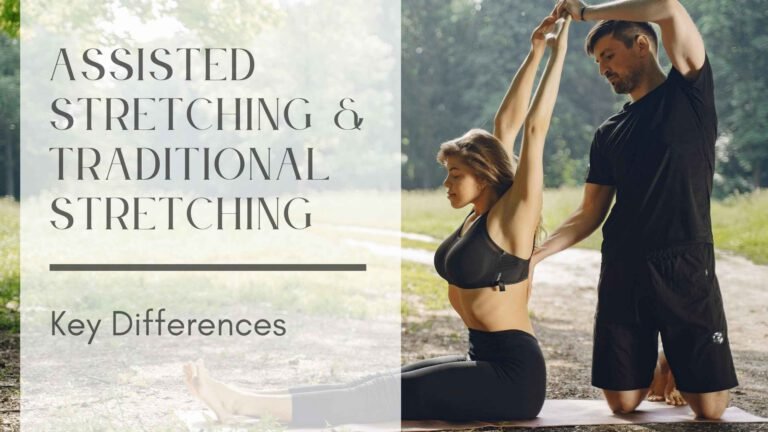
Assisted stretching is perfect for cool-downs or flexibility training. It enhances your practice by allowing one partner to support and deepen the stretch of the other, promoting relaxation, flexibility, and trust. These techniques are ideal for increasing mobility, reducing tension, and enhancing body awareness.
Assisted Forward Fold
- How it works: In this stretch, one partner (the “stretching partner”) stands with their feet hip-width apart and folds forward, aiming to reach their toes or the floor. The other partner (the “assistive partner”) stands behind them, placing their hands gently on the lower back or hips. With a steady and controlled pressure, the assistive partner gently presses down, encouraging a deeper fold.
- Benefits: This assisted stretch targets the hamstrings, lower back, and calves. The added pressure helps to lengthen the hamstrings more effectively than the stretching partner could achieve on their own, and it also helps relieve tension in the lower back.
- Tips for success: The stretching partner should maintain a relaxed breath and try to soften into the stretch, while the assistive partner applies consistent, gentle pressure. Ensure the stretching partner’s knees are slightly bent if necessary to avoid overstretching.
Assisted Backbend
- How it works: One partner lies on their back, typically on a yoga mat, with their arms extended alongside them or overhead. The other partner gently supports the shoulders of the lying partner, lifting and guiding their chest upward into a backbend. The assistive partner may place their hands underneath the shoulders or ribs for stability, slowly helping to open the chest while ensuring the backbend remains comfortable and controlled.
- Benefits: This stretch deeply opens the chest, shoulders, and upper back. It improves spinal flexibility, promotes better posture, and stretches the hip flexors. It’s especially beneficial for counteracting the effects of sitting or slouching for long periods.
- Tips for success: The stretching partner should keep their core engaged to support the lower back during the backbend. The assistive partner should avoid jerking or over-extending, instead applying slow and consistent pressure. The stretching partner should listen to their body and avoid pushing too deep into the backbend if it causes discomfort.
FAQs About Two Person Yoga Poses
Q1: Do I need to be flexible for partner yoga?
No. Partner yoga is about teamwork and mutual support, not just flexibility.
Q2: Can I do partner yoga alone?
Yes—some poses can be adapted with props or a wall for solo practice.
Q3: Is partner yoga beginner-friendly?
Absolutely. Many poses are simple and safe for first-timers.
Q4: How often should we practice?
1–2 times per week is a great start, gradually increasing as your comfort grows.
Q5: Any safety tips?
Communicate, move slowly, and never force a stretch past your comfort zone.