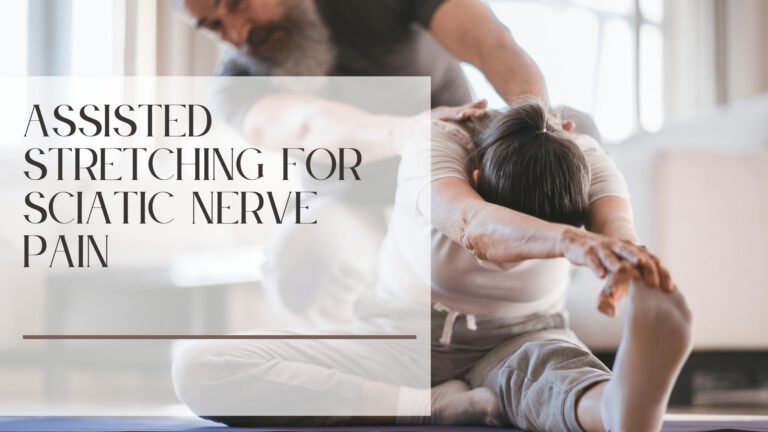
Assisted stretching vs yoga is a common comparison for people who want better flexibility, mobility, and an overall “less tight” body—without wasting time on the wrong approach.
Both can improve how you move, but they are built for different needs. Assisted stretching is a professional, hands-on service where a trained provider guides your body into controlled ranges. Yoga is a self-led practice (often class-based) that blends movement, strength, breathwork, and attention training. If you’re deciding what to book next—or what to build into a weekly routine—this page helps you make a clean, neutral choice based on your body, comfort level, and goals.
Current as of January 2026. Any numbers on time, frequency, or costs below are labeled as approximate and should be confirmed locally.
Key Takeaways
- Assisted stretching is usually 1:1 and provider-guided; yoga is self-driven and often group-based.
- Choose assisted stretching when you want targeted mobility work, support getting into positions safely, or minimal effort during the session.
- Choose yoga when you want a structured practice that blends flexibility with strength, balance, and breath-focused attention.
- Neither option is “better” universally—your best choice depends on goals, comfort, injuries/history, and what you’ll do consistently.
- Many people combine both: assisted stretching to unlock tight ranges and yoga to build active control in those ranges.
Table of Contents
- How We Researched & Chose (Methodology)
- Definitions: What Assisted Stretching Is vs What Yoga Is
- What to Expect in an Assisted Stretching Session
- What to Expect in a Yoga Class
- Assisted Stretching Techniques & Coaching Cues
- Beginners: Comfort, Pacing, and Safety
- Desk Workers: Neck, Hips, and Posture Fatigue
- Athletes: Mobility, Recovery, and Training Cycles
- Seniors: Range of Motion, Balance, and Confidence
- Assisted Stretching vs Other Options (Comparison Tables)
- Assisted Stretching as an Ongoing Service
- Choosing an Assisted Stretching Studio (Directory Bridge)
- Conclusion & Practical Next Steps
- FAQs
How We Researched & Chose (Methodology)
This page is written to function as a category-level reference, not a personal opinion piece. We focus on practical, widely accepted guidance that helps readers choose a service and set expectations.
- Best-practice review: We reviewed common assisted stretching session formats used across the industry (1:1 coaching, passive stretching, contract-relax approaches such as PNF-style patterns, and mobility-focused stretching progressions).
- Biomechanics fundamentals: We relied on basic flexibility and range-of-motion principles (tolerance, control, breathing, and progressive exposure) rather than trend-based claims.
- Coaching lens: We emphasize cueing, pacing, and safe positioning—especially for beginners, desk workers, athletes, and seniors.
- What top pages cover: We compared top-ranking pages for “assisted stretching” and “yoga for flexibility” to identify recurring user questions and decision points.
- Safety and neutrality: We avoid medical claims, diagnosis language, and guarantees. When in doubt, we recommend conservative intensity and professional guidance.
If you want a broader assisted stretching overview (beyond this yoga comparison), you can start here: Assisted Stretching (Category Guide).
Definitions: What Assisted Stretching Is vs What Yoga Is
What Is Assisted Stretching?
Assisted stretching is a guided flexibility and mobility service where a trained professional positions your body into controlled stretches. The provider manages leverage, alignment, and intensity so you can access ranges that may be hard to reach on your own.
Most sessions are 1:1. Your role is typically to relax, breathe, and give feedback (for example, “That feels like a strong stretch” or “That’s too intense”). The provider then adjusts position, angles, and pressure to keep the experience productive and comfortable.
How Assisted Stretching Works
Assisted stretching commonly includes:
- Passive stretching: you stay relaxed while the provider moves you.
- Active-assisted stretching: you contribute gentle effort (for example, lightly pressing into the provider’s hand) to improve control and comfort.
- Contract-relax patterns: brief muscle engagement followed by a deeper relaxed stretch (often described as PNF-style).
- Mobility coaching: simple cues to help you keep a joint stable while exploring range.
Who Benefits from Assisted Stretching?
Assisted stretching is commonly chosen by:
- Athletes who want structured mobility work as part of training and recovery
- People who feel “too tight to stretch” or struggle to get into positions comfortably
- Office workers and sedentary individuals managing stiffness from prolonged sitting
- Seniors who want safer, paced range-of-motion support
Benefits of Assisted Stretching (Neutral, Non-Medical)
- Supports flexibility and mobility with external guidance and better positioning than many solo routines
- May reduce the “stiff” feeling by progressively exploring comfortable ranges
- Can improve body awareness (what you feel, where you feel it, and how to adjust)
- Often feels calming because the session is paced, quiet, and breathing-supported
- Fits people who prefer a coached service rather than a self-led practice
Find Assisted Stretching Near You
After learning what assisted stretching is and how it works, the next question most people ask is simple: Where can I actually book a session near me?
To make that easy, we’ve built a dedicated Assisted Stretching City Directory Hub that organizes professional stretch studios by city and state across the U.S. Each city page is designed to help you compare real options in your area, understand what services are offered, and know what to expect before you book your first session.
Whether you’re looking for guided stretching to improve flexibility, reduce daily tension, support recovery, or move better overall, the directory helps you skip the guesswork and find studios that clearly offer assisted stretching or stretch therapy.
👉 Browse our assisted stretching studio directory by city:
https://flexologyguide.com/stretch-studios-by-city/
From major metro areas to smaller regional cities, the directory is a straightforward way to find assisted stretching options near you and take the next step toward better mobility.
What Is Yoga?
Yoga is a mind-body movement practice that uses poses (asanas), breathing techniques (pranayama), and often attention training (mindfulness) to build flexibility, strength, balance, and coordination.
Yoga is typically self-driven: you position your own body, control your own intensity, and learn by repetition. Many people practice in group classes, but it can also be done at home or 1:1 with an instructor.
How Yoga Works
Most yoga sessions include:
- Poses and transitions: static holds and flowing sequences that load tissues through range
- Breath pacing: slow breathing used to settle effort and guide movement
- Body awareness: learning to notice tension, alignment, and balance
- Strength + flexibility together: many poses require active muscle engagement
Who Benefits from Yoga?
Yoga is commonly chosen by people who want:
- Flexibility and balance improvement over time
- A structured practice that can be gentle or challenging
- Stress management through breath and attention training
- Strength building, especially for the core, hips, and shoulders
Benefits of Yoga (Neutral, Non-Medical)
- Builds flexibility through repeated exposure to positions and holds
- Develops strength and stability through active poses
- Improves coordination and balance (especially with consistent practice)
- Often supports stress regulation through controlled breathing and pacing
- Creates a repeatable routine that can scale from beginner to advanced
What to Expect in an Assisted Stretching Session
If you’ve never done assisted stretching, the first session is mostly about assessment, comfort, and learning what “productive intensity” feels like.
Typical Session Flow
- Intake & goals: you share what feels tight, what you do day-to-day, and what you want (for example, “hips feel restricted” or “I want easier overhead movement”).
- Baseline checks: the provider may observe simple ranges (for example, hamstrings, hips, shoulders) to choose starting positions.
- Guided stretching sequence: the provider positions you, cues breathing, and uses conservative progressions.
- Re-check & summary: you review what changed, what felt helpful, and what to do between sessions.
What It Feels Like
- Intensity: typically “strong but controllable,” not forced. You should be able to breathe calmly.
- Effort: often low effort (passive), with occasional gentle contractions when coached.
- Feedback matters: the provider relies on your input to adjust pressure and range.
What It Is Not
- It is not a medical treatment, diagnosis, or guarantee of pain relief.
- It should not be aggressively painful or “pushed through.”
- It is not the same as massage (though some studios may combine modalities).
What to Expect in a Yoga Class
Yoga is a practice you learn over time. Early on, most results come from consistency and comfort rather than doing advanced shapes.
Typical Class Structure
- Warm-up: gentle movement to prepare joints and breathing rhythm.
- Main sequence: standing work, balance poses, hip/hamstring positions, and/or upper-body loading depending on style.
- Cooldown: slower holds (especially in restorative or yin styles) and a relaxed finish.
Intensity Depends on Style
- Restorative / gentle: lower intensity, longer holds, more relaxation.
- Hatha: moderate pacing with classic poses and holds.
- Vinyasa / power: higher intensity and more strength demand.
- Yin: long holds, lower muscular effort, deeper sensation tolerance.
Common Beginner Learning Curve
- Finding safe alignment in hips/shoulders
- Managing wrist comfort in plank-like positions
- Building strength to hold positions rather than collapsing into joints
- Learning to breathe smoothly under moderate effort
Assisted Stretching Techniques & Coaching Cues (Mandatory)
Below are general, non-diagnostic examples of how assisted stretching is often coached. These are not prescriptions—just clear “what it looks like” frameworks you can expect in reputable studios.
1) Assisted Hamstring Stretch (Supine)
Setup: You lie on your back. One leg stays bent or straight on the table; the other leg is raised with support at the heel/calf.
Alignment: Keep hips level (avoid twisting). Knee stays softly straight (not locked). Toes relaxed.
Breathing: Inhale through the nose, exhale slowly as the provider eases the leg toward a mild-to-strong stretch.
Time / reps: 2–3 rounds of 20–40 seconds per side (approximate), with brief rests.
Regressions: Bend the knee slightly; reduce range; support the opposite leg to reduce low-back strain.
Progressions: Add gentle “contract-relax” (lightly press the heel down for 5–8 seconds, then relax and re-stretch).
Mistakes to avoid: Forcing the leg into pain, rounding the low back aggressively, or letting the hip rotate outward without control.
2) Assisted Hip Flexor Stretch (Side-Lying or Half-Kneeling Supported)
Setup: You are positioned to open the front of the hip while keeping the ribcage stacked over the pelvis.
Alignment: Think “zip up the front ribs” (avoid excessive arching). Glute gently engaged on the stretching side to steady the pelvis.
Breathing: Exhale and soften the front of the hip; avoid holding your breath during stronger sensation.
Time / reps: 2–3 rounds of 20–45 seconds (approximate).
Regressions: Smaller range; more support under the knee/torso; shorter holds.
Progressions: Add a small overhead reach or slight rotation if it stays comfortable and stable.
Mistakes to avoid: Over-arching the low back, letting the pelvis tilt forward sharply, or “chasing” a stretch sensation by collapsing posture.
3) Assisted Chest / Pec Opener (Supported Shoulder External Rotation)
Setup: You lie on your back or side with the arm positioned to open the chest while the shoulder stays stable.
Alignment: Shoulder blade stays gently anchored; neck relaxed; ribs not flaring.
Breathing: Slow exhale as the chest opens. Keep jaw and hands relaxed.
Time / reps: 2–3 rounds of 20–40 seconds (approximate).
Regressions: Smaller arm angle; a pillow under the arm; shorter holds.
Progressions: Slightly change arm angle (low, mid, high) to explore different fibers—only if it stays comfortable.
Mistakes to avoid: Letting the shoulder roll forward, turning it into a joint stress position, or pushing into numbness/tingling sensations.
4) Assisted Calf Stretch (Bent-Knee and Straight-Knee)
Setup: You’re positioned with the ankle supported; the provider guides dorsiflexion (toes toward shin).
Alignment: Knee tracks over toes; heel stays down (or stable) depending on position.
Breathing: Exhale slowly as the ankle moves; avoid tensing the toes.
Time / reps: 2–3 rounds of 20–40 seconds (approximate) in both straight-knee and bent-knee angles.
Regressions: Less range; shorter holds; more support under the knee.
Progressions: Add gentle contract-relax or combine with hamstring work for a full posterior chain sequence.
Mistakes to avoid: Forcing the ankle, letting the knee collapse inward, or cramping by over-gripping the toes.
Beginners: Comfort, Nervous System Safety, and Pacing
Beginners often don’t need “more intensity”—they need clarity, pacing, and repeatable wins.
When Assisted Stretching Works Well for Beginners
- You want someone to position you safely and adjust angles in real time
- You’re not sure what “productive stretch” should feel like
- You prefer a quiet, guided session over a fast-paced class
When Yoga Works Well for Beginners
- You want a consistent weekly practice that builds confidence and strength
- You enjoy learning positions and progressing over time
- You want breathwork built into the session structure
Beginner Comfort Checklist
- Choose intensity where you can breathe smoothly (no breath-holding)
- Start with shorter holds and fewer positions; increase gradually
- Stop if you feel sharp pain, numbness, tingling, or joint pinching
- Consistency beats “one perfect session”
Desk Workers: Neck, Back, Hips, and Posture Fatigue
Desk-heavy routines commonly create a predictable pattern: tight hip flexors, stiff upper back, limited shoulder range, and a “compressed” feeling from long sitting.
Assisted Stretching for Desk Workers
- Best fit when: you want targeted work for hips, chest, and hamstrings without having to coordinate complex poses.
- Common focus areas: hip flexors, hamstrings, calves, chest/pecs, thoracic (upper-back) rotation.
- Helpful add-on: simple home “micro-break” mobility between sessions (2–5 minutes).
Yoga for Desk Workers
- Best fit when: you want a routine that strengthens core/postural muscles along with flexibility.
- Common focus areas: spinal mobility, hip opening, hamstrings, shoulders, breath pacing.
- Tip: gentle or beginner-friendly classes are often more sustainable than jumping into intense flows.
Desk Worker “What to Do This Week” Mini Plan
- 2–3 brief daily breaks: stand, breathe, gently open hips/chest (2 minutes)
- 1 yoga session (gentle or beginner) or 1 assisted stretching session
- One 10–20 minute walk on non-training days to reduce stiffness buildup
Athletes: Mobility, Recovery Cycles, and Training Support
Athletes often need two things at the same time: range of motion and control in that range. The “right” choice depends on training phase and what’s limiting performance (stiffness, fatigue, or lack of stability).
Assisted Stretching for Athletes
- Best fit when: you want targeted mobility for specific patterns (hips/ankles/shoulders) with minimal training load.
- When it’s commonly used: on recovery days, deload weeks, or after high-volume blocks.
- Session goal: reduce “tight” sensation and restore comfortable range without exhausting you.
Yoga for Athletes
- Best fit when: you want an active mobility session that also builds stability, balance, and isometric strength.
- When it’s commonly used: as a secondary training day, off-season work, or as skill practice for control.
- Session goal: combine range with strength and breathing control.
Athlete Decision Checklist
- If you’re already training hard and feel over-loaded: assisted stretching may be easier to recover from.
- If you need strength-through-range and coordination: yoga may fit better.
- If a joint feels unstable or pinchy: reduce intensity and seek qualified guidance.
Seniors: Safe Range of Motion, Pacing, and Confidence
For older adults, the goal is often to maintain comfortable range, balance confidence, and movement quality—not to chase extreme flexibility.
Assisted Stretching for Seniors
- Best fit when: you want paced, 1:1 support with positioning and stable transitions.
- What matters: communication, conservative intensity, and a provider who prioritizes comfort and stability.
- Common focus: hips, calves/ankles, upper back, shoulders, gentle spinal rotation.
Yoga for Seniors
- Best fit when: you want a consistent class routine and community, with modifications.
- Good options: chair yoga, gentle yoga, beginner yoga, and restorative styles.
- What matters: an instructor who offers regressions and doesn’t rush transitions.
Assisted Stretching vs Other Options (Mandatory Comparison)
Key Differences Between Assisted Stretching and Yoga (Quick Table)
| Feature | Assisted Stretching | Yoga |
| Primary focus | Flexibility and mobility with external guidance | Flexibility + strength + breath/attention training |
| Method | Provider positions your body into stretches | You move yourself through poses and transitions |
| Effort required | Low to moderate (often passive) | Moderate to high (active holds and transitions) |
| Breathwork and mindfulness | Optional; not always central | Often central to how classes are taught |
| Best for | Targeted mobility, recovery days, guidance into range | Building active control, routine, balance, and body awareness |
| Typical format | 1:1 session (studio-based) | Group class or self-practice (studio/home) |
Assisted Stretching vs Self-Stretching vs Mobility Classes (Use-Case Matching)
| Option | What it is | Best when | Limits to know |
| Assisted stretching | Provider-guided positioning to explore range | You want targeted help, minimal effort, and coaching | Costs more; depends on provider quality and communication |
| Self-stretching | Solo holds and mobility drills | You want a low-cost routine and can be consistent | Harder to target some ranges; easy to rush or misalign |
| Mobility classes | Group coached mobility drills and positions | You want active control and a class structure | Less individualized; pace may not match your body |
Assisted Stretching as an Ongoing Service
Many people treat assisted stretching like a recurring mobility service—similar to how someone might schedule regular training sessions or routine recovery work.
Frequency Considerations (Approximate)
- Occasional (1–2x per month): helpful for people who want periodic “reset” sessions and do some mobility on their own.
- Consistent (1x per week): common for improving comfort, range, and routine adherence.
- Higher frequency (2–3x per week): sometimes used during short phases (for example, when preparing for an event or rebuilding a routine), but should be paced conservatively.
Session Length Options
- 25–30 minutes: targeted focus (for example, hips + calves).
- 50–60 minutes: full-body or multi-area work with enough time to progress slowly.
Approximate Pricing Ranges (January 2026)
Pricing varies widely by city, studio model, and session length. As a neutral reference point:
- Assisted stretching: approximately $50–$150 per session depending on length and market (January 2026).
- Yoga class: approximately $15–$35 per group class in many markets; memberships and class packs vary (January 2026).
Some studios offer packs or memberships for consistent weekly sessions. Others are designed for occasional booking. The right structure is the one you’ll use consistently and comfortably.
Choosing an Assisted Stretching Studio (Directory Bridge — Mandatory)
Not all assisted stretching experiences are the same. The studio’s coaching approach, session flow, communication style, and safety standards matter more than marketing terms.
What Services Studios Typically Offer
- 1:1 assisted stretching sessions (full body or targeted)
- Mobility coaching and home recommendations
- Contract-relax (PNF-style) patterns and active-assisted work
- Occasionally, complementary recovery services (varies by studio)
What to Look For (Non-Medical)
- Clear communication: they ask about comfort and adjust based on your feedback
- Conservative pacing: no forcing; intensity stays breathable and controlled
- Professional boundaries: they avoid diagnosis language and don’t promise outcomes
- Coaching clarity: they can explain what they’re doing and why, in plain language
Questions to Ask Before Booking
- Is my first session an assessment + stretch, or a full routine immediately?
- How do you define “productive intensity” during a stretch?
- Do you offer active-assisted or contract-relax work if appropriate?
- What should I do between sessions to maintain progress?
If you want to compare options in your area, start with our directory hub: Assisted Stretching City Directory Hub. It’s built to help you find studios that clearly offer assisted stretching or stretch therapy and to evaluate options city by city.
Conclusion & Practical Next Steps
Assisted stretching and yoga can both improve flexibility and movement quality, but they do it differently. Assisted stretching is a coached service that helps you access and tolerate range with guidance. Yoga is a practice that blends range, strength, balance, and breath-led pacing over time.
A Simple Weekly Mobility / Recovery Structure (Sample)
This is a neutral example you can adapt to your schedule:
- 2–3x per week: short mobility sessions (10–20 minutes) focused on hips, calves/ankles, and upper back
- 1x per week: yoga class (gentle or moderate) for active control and breath pacing or assisted stretching session for targeted range work
- Daily: 2-minute “reset” breaks (stand, breathe, gentle hip and chest opening)
If You’re Torn Between Both
- Try assisted stretching once to learn what ranges feel like when positioned well.
- Try a beginner-friendly yoga class to see if you enjoy the practice format.
- Choose the one you’ll do consistently for 6–8 weeks, then reassess.
FAQs
Can assisted stretching and yoga be combined?
Yes. Many people use assisted stretching to unlock tight areas with guidance, then use yoga to build strength and control in those ranges. A common approach is assisted stretching on a recovery day and yoga on a separate day for active mobility.
Is assisted stretching or yoga better for back pain?
It depends on what’s contributing to the discomfort and what you can do consistently. Assisted stretching can be helpful for targeting “tight feeling” areas with careful positioning, while yoga often builds strength and control that supports posture and movement. If you have persistent or worsening symptoms, consider seeking licensed medical guidance.
Do I need prior experience in assisted stretching or yoga?
No. Assisted stretching is typically beginner-friendly because the provider guides the session. Yoga can also be beginner-friendly, but class style matters—gentle, beginner, or restorative formats are often the easiest entry points.
Which one burns more calories—assisted stretching or yoga?
Yoga usually burns more calories because it can involve sustained muscle engagement and flowing sequences (especially in faster-paced styles). Assisted stretching is generally lower exertion and is more commonly used for mobility and recovery rather than calorie burn.
Can assisted stretching or yoga help with stress relief?
Yoga is more directly structured for stress regulation because breathwork and attention training are often built into the practice. Assisted stretching can still feel relaxing due to pacing and breathing, but mindfulness is not always a central component.
How do I choose a good assisted stretching studio near me?
Look for clear communication, conservative pacing, and a provider who adjusts to your feedback rather than forcing range. You can compare studios by city and set expectations using our directory: Assisted Stretching City Directory Hub.