

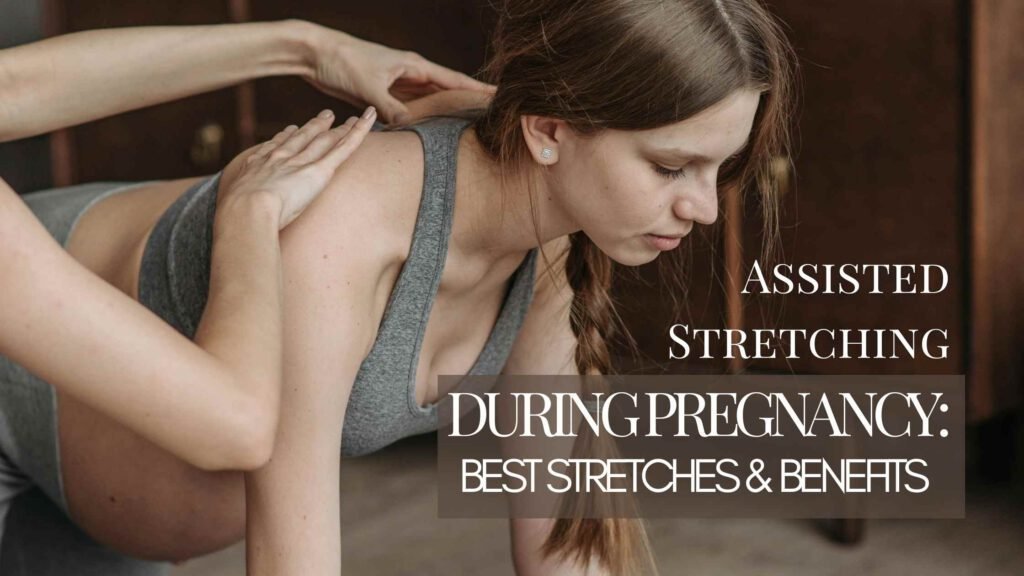
Pregnancy is a transformative journey, but it can also bring physical challenges like stiffness, muscle tension, and discomfort. Assisted stretching during pregnancy is a safe and effective way to relieve aches, improve your mobility, and enhance overall well-being. Whether guided by a professional or assisted by your partner, these gentle stretches can help you stay comfortable and prepare your body for labor.
This guide will explore the best-assisted stretches during pregnancy, their benefits, and safety tips to ensure a positive experience.
Benefits of Assisted Stretching During Pregnancy
During pregnancy, your body produces relaxin, a hormone that loosens ligaments and joints in preparation for childbirth. This increased flexibility is helpful for labor, but it can also lead to instability and discomfort. Assisted stretching during pregnancy allows for controlled movements, preventing overstretching while still improving mobility. Relaxin is a key player in this process, as it helps to prepare your body for the physical demands of labor.
Key Benefits:
- Reduces lower back pain – Stretches the lower back, hips, and hamstrings to alleviate pressure from the shifting center of gravity.
- Improves circulation – Enhances blood flow, helping to reduce swelling in the legs and feet.
- Eases hip & pelvic tension – Hip-opening stretches prepare the body for labor and relieve discomfort.
- Supports posture – Helps counteract posture changes caused by a growing belly.
- Promotes relaxation & better sleep – Reduces stress and encourages restful sleep.
Best-Assisted Stretches During Pregnancy
Here are six safe and effective assisted stretches to relieve tension and help you feel your best.
1. Seated Forward Fold (Assisted)
How to Do It:
- Sit on the floor with your legs extended straight before you.
- Have your partner or professional stand behind you and gently support your lower back.
- As you lean forward, they can apply light pressure to deepen the stretch.
How It Helps:
- Stretches the hamstrings and lower back.
- Helps alleviate sciatic nerve pain, which is common during pregnancy.
2. Butterfly Stretch with Assistance
How to Do It:
- Sit on the floor with the soles of your feet touching and knees bent outward.
- Your partner can gently press down on your knees to deepen the stretch.
How It Helps:
- Opens up the hips, which is beneficial for labor preparation.
- Relieves tightness in the groin and inner thighs.
3. Cat-Cow Assisted Stretch
How to Do It:
- Get on all fours with hands under shoulders and knees under hips.
- Have your partner touch your lower back for gentle support.
- Arch your back (Cow Pose) as they apply a slight upward lift.
- Round your spine (Cat Pose) as they provide resistance.
How It Helps:
- Relieves tension in the spine and lower back.
- Improves pelvic mobility, easing pregnancy-related back pain.
4. Side-Lying Quad Stretch
How to Do It:
- Lie on your side with a pillow supporting your belly.
- Your partner can gently bend your top leg and hold your ankle to stretch the front of your thigh.
How It Helps:
- Loosens the quadriceps, which can become tight due to postural changes.
- Reduces strain on the knees and lower back.
5. Standing Hamstring Stretch with Assistance
How to Do It:
- Stand with one foot resting on a stable surface, like a chair or low table.
- Your partner can gently guide your upper body forward, assisting in the stretch.
How It Helps:
- Eases tight hamstrings, which can contribute to lower back pain.
- Encourages better posture and alignment.
6. Assisted Child’s Pose
How to Do It:
- Kneel on the floor with knees wide apart and toes touching.
- Extend your arms forward while your partner gently presses on your lower back.
How It Helps:
- Stretches the lower back, hips, and shoulders.
- Relieves spinal pressure and improves flexibility.
Tips for Safe Assisted Stretching During Pregnancy
While assisted stretching during pregnancy is highly beneficial, safety is a priority. Follow these key guidelines:
- Avoid deep overstretching – Pregnancy hormones relax ligaments, so overstretching can lead to instability or injury.
- Communicate with your partner or therapist – Let them know if a stretch feels too intense or uncomfortable.
- Focus on slow, controlled movements – Avoid sudden or jerky motions.
- Use supportive props – Yoga blocks, pillows, or stability balls can provide extra support.
- Listen to your body – Stop immediately if a stretch causes pain.
- Stay hydrated – Proper hydration supports muscle recovery and circulation.
Find Assisted Stretching Near You
After learning what assisted stretching is and how it works, the next question most people ask is simple: Where can I actually book a session near me?
To make that easy, we’ve built a dedicated Assisted Stretching City Directory Hub that organizes professional stretch studios by city and state across the U.S. Each city page is designed to help you compare real options in your area, understand what services are offered, and know what to expect before you book your first session.
Whether you’re looking for guided stretching to improve flexibility, reduce daily tension, support recovery, or move better overall, the directory helps you skip the guesswork and find studios that clearly offer assisted stretching or stretch therapy.
👉 Browse our assisted stretching studio directory by city:
https://flexologyguide.com/stretch-studios-by-city/
From major metro areas to smaller regional cities, the directory is the fastest way to find assisted stretching options near you and take the next step toward better mobility.
Conclusion
Assisted stretching during pregnancy is an excellent way to manage discomfort, improve flexibility, and prepare for labor. Whether working with a professional or receiving assistance from your partner, these gentle stretches can promote relaxation and overall well-being.
Before starting any new stretching or exercise routine, consult your doctor, especially if you have pregnancy complications. With the right approach, assisted stretching can make your pregnancy journey more comfortable and enjoyable.
FAQs
1. Is assisted stretching during pregnancy safe for all women?
- Yes, in most cases, but consult your doctor if you have complications like placenta previa, high blood pressure, or severe pelvic pain.
2. How often should I do assisted stretching during pregnancy?
- Stretching 3–4 times a week is beneficial, but always listen to your body and adjust as needed.
3. Can I do assisted stretching in the third trimester?
- Yes, but focus on gentle movements and avoid overstretching to prevent discomfort or injury.
4. What should I avoid while stretching during pregnancy?
- Avoid lying flat on your back for long periods, deep twisting movements, and any stretch that causes pain.
5. Do I need a professional for assisted stretching during pregnancy?
- Not necessarily. A partner can help, but a professional can provide more targeted techniques and ensure safety.