

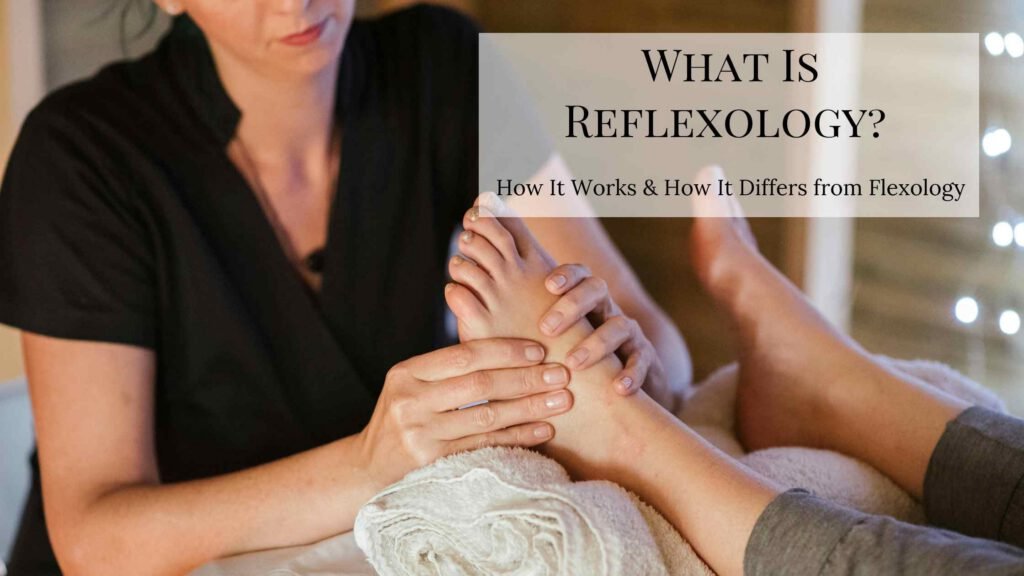
Reflexology is a therapeutic, non-invasive practice that involves applying targeted pressure to specific points on the feet, hands, and ears. These reflex points are believed to correspond with various internal organs and body systems. By stimulating these zones, reflexologists aim to support overall health, improve circulation, reduce stress, and enhance the body’s natural healing response.
Unlike general massage therapy, reflexology focuses on energetic pathways and neural connections, not muscles. This makes it a unique modality within the broader field of holistic and alternative medicine.
As a wellness advocate immersed in holistic health practices, I’ve seen reflexology complement therapies like assisted stretching, guided breathwork, and even red light therapy. In this article, we’ll explore what reflexology is, how it works, the benefits it offers, and how it differs from flexology.
What Is Reflexology?
Reflexology is a touch-based therapy rooted in ancient traditions from China and Egypt. It’s based on the idea that reflex zones on your feet, hands, and ears mirror different organs and systems throughout the body. By applying pressure to these areas, practitioners aim to:
- Stimulate the nervous system
- Promote relaxation
- Encourage balance and healing in corresponding body systems
How Reflexology Works
There are a few proposed mechanisms for how reflexology provides its benefits:
- Neurological theory: Stimulating reflex points sends signals through the nervous system to organs and glands.
- Energy flow theory: Pressure clears blockages in the body’s energy pathways (similar to concepts in acupuncture and Traditional Chinese Medicine).
- Circulatory benefits: Improved blood and lymph flow supports detoxification and healing.
Reflexology vs. Massage Therapy
While both involve touch, reflexology isn’t a massage. Here’s how they differ:
| Reflexology | Massage Therapy |
| Targets reflex points on feet, hands, and ears | Works on soft tissues (muscles, fascia) |
| Aims to influence internal organs | Aims to relieve muscle tension |
| Energetic and neurological | Physical and musculoskeletal |
Foot Reflexology Chart: Reflex Zones Breakdown
Here’s how various parts of the foot correspond to internal body systems:
| Foot Region | Corresponding Body Area |
| Toes | Head and Brain |
| Ball of Foot | Chest and Heart |
| Arch of Foot | Digestive Organs |
| Heel | Lower Back and Pelvis |
Adding a foot reflexology chart visual is helpful here—especially for visual learners and those interested in self-practice.
Key Benefits of Reflexology
Reflexology offers a wide range of mental, physical, and energetic benefits. While more research is still emerging, both anecdotal evidence and early studies support its effectiveness in the following areas:
1. Stress Relief with Reflexology
Reflexology activates the parasympathetic nervous system, helping your body shift from “fight or flight” into “rest and digest.” Most clients report deep relaxation after just one session.
2. Pain Management and Relief
Reflexology has shown promise in easing pain from:
- Migraines and headaches
- Chronic back pain
- Arthritis and joint discomfort
A 2015 study published in the Journal of Complementary Therapies in Clinical Practice found that reflexology helped reduce pain and improve mood in patients with chronic illness.
3. Improved Circulation and Detoxification
Stimulating reflex zones may enhance blood flow and lymphatic drainage, supporting immune function and cellular repair.
4. Hormonal Balance Support
By targeting reflex points related to the endocrine system, reflexology may aid with:
- PMS symptoms
- Menopause-related imbalances
- Thyroid and adrenal support
5. Better Sleep Quality
Clients dealing with insomnia or restless sleep often find that regular reflexology helps calm the nervous system, making it easier to fall and stay asleep.
Who Can Benefit from Reflexology?
Reflexology is safe for most people and highly adaptable. Ideal for:
- Busy professionals managing stress and burnout
- Pregnant women (after the first trimester) dealing with hormonal changes and physical discomfort
- Athletes recovering from training or injury
- Seniors coping with circulation problems or mobility issues
- Post-surgical patients seeking gentle, non-invasive healing support
Important: Reflexology should not replace medical care but can be used to complement traditional treatments.
Reflexology vs. Flexology: What’s the Difference?
Although the names sound similar, reflexology and flexology are distinct practices with different goals and techniques.
| Feature | Reflexology | Flexology |
| Primary focus | Pressure points on feet, hands, ears | Assisted full-body stretching |
| Goal | Support organ function and balance | Improve flexibility, posture, joint health |
| Practitioner role | Uses thumb and finger pressure | Applies passive stretches |
| Position | Typically done seated or lying down | Done on a stretch table or mat |
| Type of therapy | Energetic/neurological | Biomechanical/movement-based |
Flexology is more closely aligned with assisted stretching and is aimed at musculoskeletal flexibility, whereas reflexology works on an internal, energetic level.
Reflexology + Assisted Stretching: A Holistic Power Combo
Combining reflexology with assisted stretching offers a 360° wellness experience.
Benefits of Combining Both:
- Deep Relaxation: Stretching eases physical tension, reflexology calms the mind
- Improved Mobility + Internal Balance: Support your joints and digestion at once
- Faster Recovery: Better circulation = quicker healing
- Whole-Body Wellness: Body, mind, and energy working together
Many wellness studios are now offering reflexology as an add-on to stretching sessions, along with red light therapy or breathwork for an integrative approach.
Find Assisted Stretching Near You
After learning what assisted stretching is and how it works, the next question most people ask is simple: Where can I actually book a session near me?
To make that easy, we’ve built a dedicated Assisted Stretching City Directory Hub that organizes professional stretch studios by city and state across the U.S. Each city page is designed to help you compare real options in your area, understand what services are offered, and know what to expect before you book your first session.
Whether you’re looking for guided stretching to improve flexibility, reduce daily tension, support recovery, or move better overall, the directory helps you skip the guesswork and find studios that clearly offer assisted stretching or stretch therapy.
👉 Browse our assisted stretching studio directory by city:
https://flexologyguide.com/stretch-studios-by-city/
From major metro areas to smaller regional cities, the directory is the fastest way to find assisted stretching options near you and take the next step toward better mobility.
Final Thoughts: Should You Try Reflexology?
Reflexology is more than just a relaxing foot treatment. It’s a proven holistic therapy designed to stimulate your body’s natural healing. Whether you’re dealing with stress, hormonal imbalances, or just want to feel more balanced, reflexology offers a gentle, effective path toward wellness.
If you’re already exploring bodywork therapies like assisted stretching, reflexology might be the energetic reset your nervous system is craving.
FAQs About Reflexology
1. Is reflexology painful?
Not usually. Some points may feel tender, especially if they correspond to stressed body areas—but overall, it should be relaxing.
2. How long is a typical session?
Most sessions range from 30 to 60 minutes, depending on your goals and the practitioner’s style.
3. How often should I get reflexology?
For general wellness, start with 1 session weekly or bi-weekly. For specific issues, more frequent sessions may be helpful initially.
4. Is reflexology safe during pregnancy?
Yes—with your doctor’s approval. Reflexology can help ease pregnancy discomfort after the first trimester.
5. Can I do reflexology on myself?
Yes! Use your thumbs or a foot roller to stimulate reflex zones at home. However, for deeper therapeutic benefits, work with a trained reflexologist.