

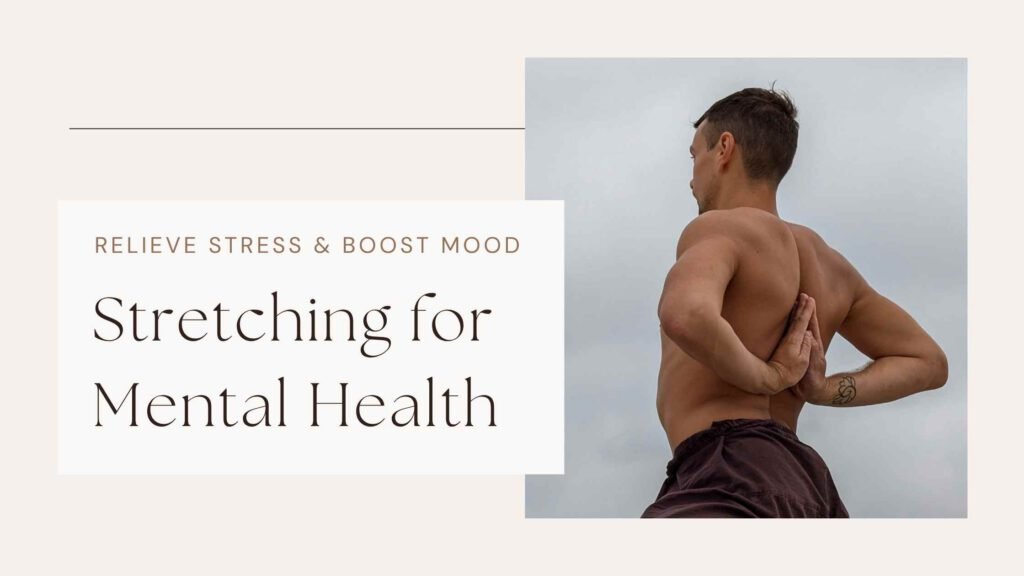
Stretching is more than a physical practice—it’s a simple yet powerful way to support your mental and emotional well-being. Incorporating just a few minutes of daily stretching into your routine can help reduce stress, ease anxiety, improve focus, and build a stronger connection between your body and mind.
Whether you’re new to stretching or looking to deepen your practice, here’s how it can transform your mental health—and how to start today.
1. Stretching Reduces Stress and Calms the Nervous System
Chronic stress keeps your body in a constant state of alertness. Stretching helps you shift into a more relaxed state by activating the parasympathetic nervous system. This signals the body to slow down, reduce cortisol levels, and promote a sense of calm.
Tip: Add gentle stretches like neck rolls, forward folds, or child’s pose at the end of your day to unwind and reset.
2. Stretching Supports Better Sleep
Poor sleep contributes to anxiety, irritability, and low energy. A short stretching routine before bed can relax tight muscles, release tension, and prepare your body and mind for rest.
Best stretches before bed:
- Legs up the wall
- Reclined spinal twist
- Seated forward bend
3. Stretching Improves Mindfulness and Body Awareness
Stretching requires presence. By tuning into your breath and the sensations in your body, you naturally shift your focus away from mental distractions. This enhances mindfulness and creates a deeper connection with your physical self.
Practice tip: Close your eyes during a stretch. Pay attention to how each part of your body feels and move slowly. This grounds your awareness in the present moment.
4. Stretching Boosts Mood and Regulates Emotions
When you’re anxious or overwhelmed, your muscles tend to tense up—especially in areas like the shoulders, hips, and jaw. Stretching these zones provides both physical relief and emotional release, helping to stabilize your mood.
Mood-boosting stretches to try:
- Cat-cow flow
- Standing side stretch
- Happy baby pose
5. Stretching Encourages Emotional Release
Emotions are often stored in the body. Deep stretches, especially in the hips and chest, can lead to unexpected emotional responses like crying or a deep sigh. These reactions are natural and signal the release of held tension.
Helpful emotional-release stretches:
- Pigeon pose
- Chest opener
- Butterfly stretch
6. Stretching Builds Daily Routine and Self-Trust
Creating a consistent stretching habit—even just 5–10 minutes a day—helps you build structure, self-discipline, and confidence. These are key components of mental resilience, especially for those recovering from burnout, depression, or emotional exhaustion.
Routine tip: Stretch in the morning to start your day with clarity, or in the evening to release stress and prepare for restful sleep.
Best Daily Stretches for Mental Health
Here’s a sample daily routine designed to support your mental and emotional well-being:
- Neck Stretch with Breath Focus – Relieves tension and promotes calm
- Child’s Pose – Encourages rest and surrender
- Seated Forward Fold – Supports introspection and emotional grounding
- Chest Expansion (Clasped Hands Behind Back) – Opens the heart and posture
- Supine Twist – Reduces back tension and improves relaxation
- Hip Flexor Stretch – Releases pelvic tension often tied to stress
- Legs Up the Wall – Calms the nervous system and boosts circulation
Want to Understand the Root of Your Stress?
Stretching helps, but understanding why you’re mentally drained is just as important. Head over to MentalityofHealth.com to explore our expert guide on Mental Burnout—including causes, warning signs, and how to reset your brain and body.
👉 Read the Full Mental Burnout Guide at MentalityofHealth.com and take the next step in your recovery.
How Often Should You Stretch for Mental Health?
- Aim for daily stretching, even if it’s just 5–10 minutes
- Pair with deep nasal breathing for added relaxation
- Morning stretching energizes and sets the tone for the day
- Evening routines reduce anxiety and improve sleep quality
Final Thoughts: Stretching as Mental Health Care
Stretching may seem simple, but its mental health benefits are profound. From reducing stress and anxiety to improving mood and focus, a consistent stretching practice helps restore balance between your mind and body. It’s not a replacement for therapy or professional care—but it’s an accessible, supportive tool you can use every day.
FAQs: Stretching for Mental Wellness
Can stretching help with depression?
Yes. It supports mood regulation and body awareness, which are often compromised during depression.
Is stretching better than meditation?
They serve different purposes but complement each other. Stretching is ideal for those who find traditional meditation challenging.
How long should I stretch to feel results?
You can feel benefits in just 5–10 minutes per day when done consistently.
What’s the best time to stretch for mental health?
Evenings are great for stress relief. Mornings are best for clarity and emotional reset.
Can stretching help during panic attacks?
Yes. Gentle stretches can regulate breathing and help ground your nervous system during high-stress moments.